Protecting honeybees from pesticides
Published: August 11, 2025
Category: Pesticides
Advertisements

Five ways farmers can minimize harm to their hives
While beekeepers have much to consider when it comes to the safety of their hives, including climate change and proper nutrition, one major concern is the honeybees’ exposure to pesticides.
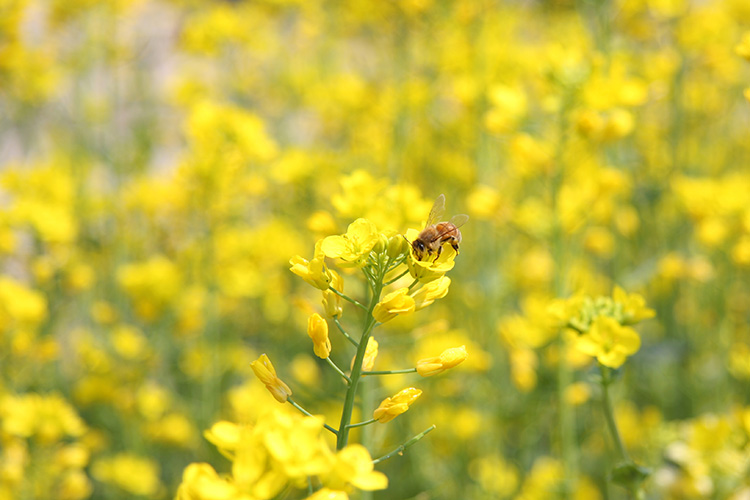
As they forage, bees may come into direct contact with plants that have been sprayed with pesticides. The infected bee may die in the field, not spreading the toxin to the hive. But if a bee transports an insecticide back to the hive via contaminated nectar or pollen, the entire hive is at risk.
While bees are affected by broad-spectrum insecticides, there are ways to minimize the harm. Here are five ways farmers can protect their honeybees from pesticides.
1. Limit Pesticide Use
Avoid using pesticides on your farm. Plant a diverse array of nectar plants that invite natural predators who feed on pests, rather than spraying non-selective chemicals that do widespread damage. Use cultural techniques to keep pests at bay, like trap cropping, rotation, and companion planting, or delay planting to limit pests.
2. Use Pesticides Responsibly
Use OMRI-certified pesticides, which are gentler on the ecology of the farm (including bees) and on plants. When using neem or insecticidal soaps, spray plants in the early morning or at dusk when honeybees and other pollinators are not active. Avoid repeated use of the same pesticide to prevent built-up resistance.
3. Be Strategic with Protective Planting
Plant hedgerows to catch industrial drift before it enters the bounds of your forage space. Use multiple rows of native forbs, grasses, and shrubs to provide a living shield when sprays drift in.
4. Place Nectar Plants out of Harm’s Way
Keep the plants your honeybees love within the bounds of plants that can stop drift, and if possible, plant your forage field at least four miles from a pesticide-treated field.
5. Stay Informed about Area Sprays
Get alerts about area sprays using Beecheck.org, or by linking with your local agricultural extension office so they can let you know when to cover your apiary to limit damage.
Source: Modern Farmer
https://modernfarmer.com/2025/06/protect-honeybees-from-pesticides/
Organic & Non-GMO Insights August 2025
Advertisements