Supreme Court Sides With Monsanto Bayer
By Kendra Morrison
Published: July 2, 2026
Category: The Non-GMO Blog
Advertisements
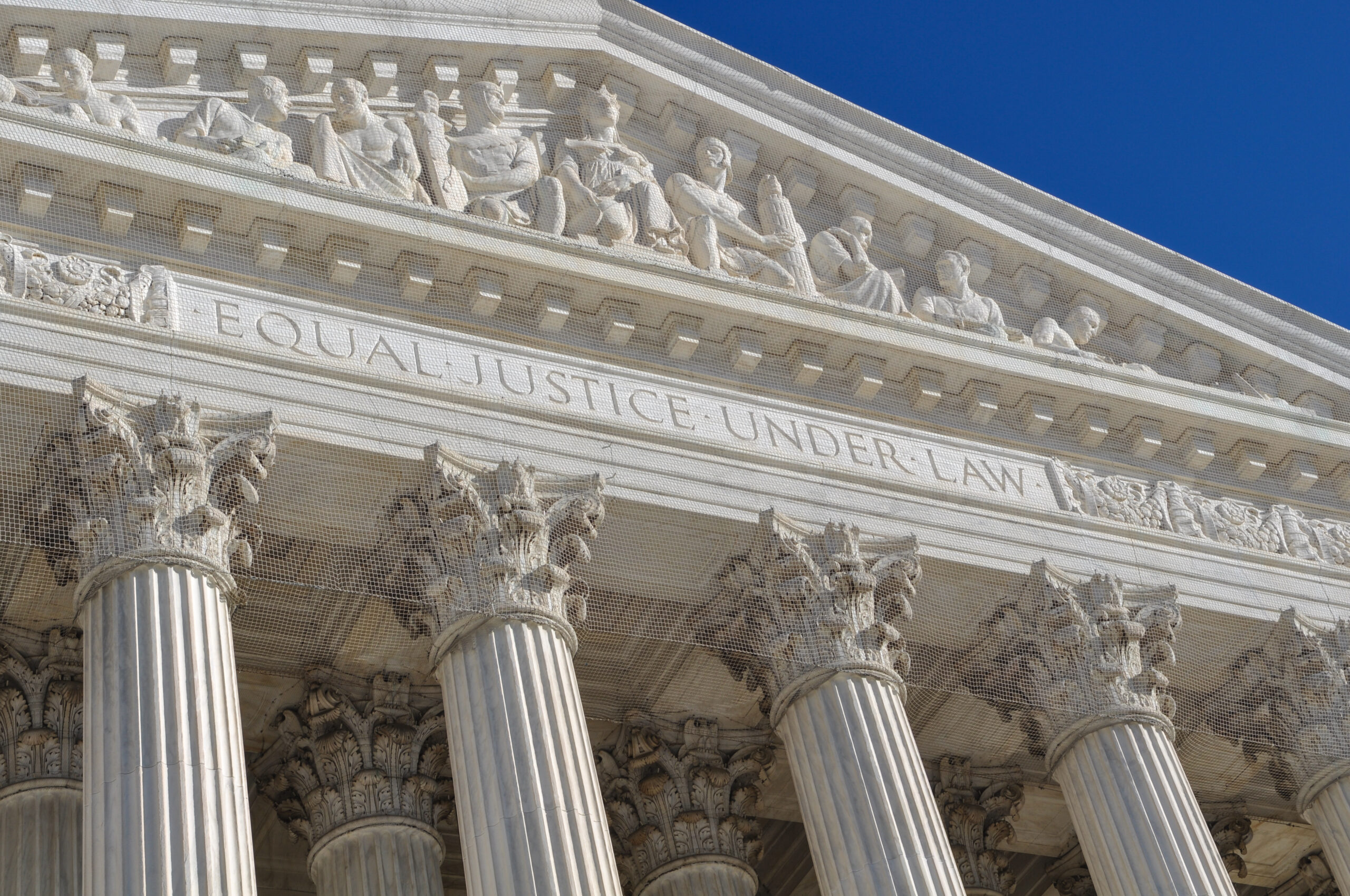
The U.S. Supreme Court ruled in favor of Bayer in what many observers consider the most significant pesticide liability case in decades.
The decision addresses whether federal pesticide labeling requirements preempt state failure to warn claims, a question that has implications for tens of thousands of pending Roundup lawsuits and for the broader agricultural input industry. Bayer has already paid approximately $10 billion to settle earlier claims, while tens of thousands of additional cases remain unresolved.
In a 7 to 2 decision issued June 25, the Court held that federal pesticide labeling requirements under the Federal Insecticide, Fungicide, and Rodenticide Act preempt state law claims seeking additional cancer warnings when such warnings are not required by the U.S. Environmental Protection Agency. The case, Monsanto Co. v. Durnell, centered on whether state courts could impose warning requirements beyond those approved at the federal level.
Bayer argued that EPA reviews have repeatedly concluded glyphosate is unlikely to pose a carcinogenic risk to humans and that federal labeling standards should remain uniform nationwide. The company said the ruling provides greater regulatory certainty and could substantially reduce its remaining litigation exposure.
Plaintiffs and environmental groups criticized the decision, arguing that it limits avenues for individuals seeking compensation and reduces the ability of states to require additional consumer warnings.
The ruling is expected to influence future litigation involving pesticides and may have broader implications for product labeling disputes involving federally regulated agricultural inputs.
Sources: Reuters, (2026, June 25), U.S. Supreme Court scales back Roundup cancer suits in win for Bayer. Associated Press, (2026, June 25), Supreme Court ruling blocks thousands of lawsuits against the maker of Roundup weedkiller. BMJ, (2026), Glyphosate: US Supreme Court ruling could block lawsuits alleging pesticide causes cancer. U.S. Supreme Court, Monsanto Co. v. Durnell, 2026.
Advertisements