By Kendra Morrison
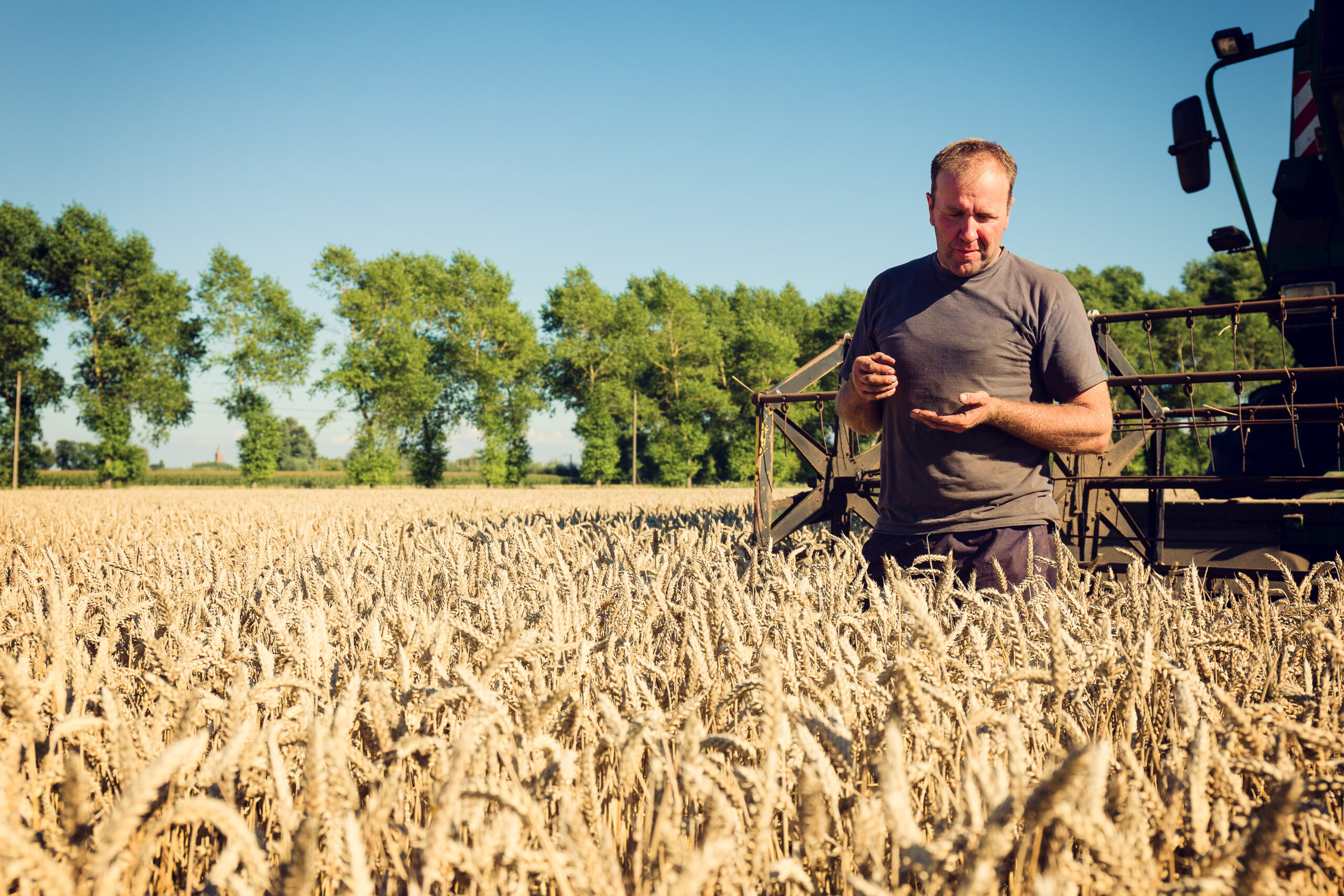
Reporting from Successful Farming highlights another challenge facing growers as the 2026 harvest season approaches: the lingering effects of drought stressed wheat. According to an article by Adrienne Held, wheat producers across the Plains are preparing for lower test weights, variable kernel development, increased weed pressure, and difficult harvest management decisions following months of drought conditions. Agronomists interviewed for the article noted that grain quality concerns may require closer attention to combine settings, harvest timing, and field prioritization as growers work to minimize additional losses.
Reprinted with permission from Successful Farming magazine/Agriculture.com. Copyright Meredith Operations Corporation 2025. All rights reserved.Originally Published at https://www.agriculture.com/how-drought-stressed-wheat-could-complicate-harvest-this-season-11985203
Drought remains one of agriculture’s most costly production risks because its effects often extend beyond yield loss alone. Water stress during critical growth stages can reduce grain fill, lower test weights, diminish seed quality, and increase harvest variability. In some cases, fields that appear relatively healthy from a distance may reveal significant quality challenges once grain reaches the combine.
The implications extend beyond a single growing season. Reports from wheat producing states suggest that drought affected crops may also influence fall planting decisions, seed availability, residue levels, and soil protection heading into 2027. Producers who rely on saved seed may face additional quality testing requirements, while reduced residue can leave soils more vulnerable to erosion and moisture loss after harvest.
Some producers are managing excess moisture and delayed crop development, while others continue to face drought related quality concerns.The conditions remain highly uneven as harvest begins across different regions of North America.
Advertisements