Top 5 Organic Weed Management Strategies
By Kendra Morrison
Published: April 1, 2026
Category: The Non-GMO Blog
Advertisements
Organic farmers are increasingly integrating traditional cultural and mechanical weed control with cutting‑edge innovations to address persistent weed pressure without synthetic herbicides. Growers and researchers point to five key strategies that enhance weed suppression, reduce labor, and support sustainability.
- Cover crops and living mulches such as rye, clover, and buckwheat suppress weeds through shading and nutrient competition, improve soil fertility when incorporated, and provide continuous ground cover when interplanted with cash crops.
- Remote sensing and data‑driven tools enhance weed management by using drones and machine learning to map weed distribution, enabling precise, timely interventions with cultural or mechanical methods.
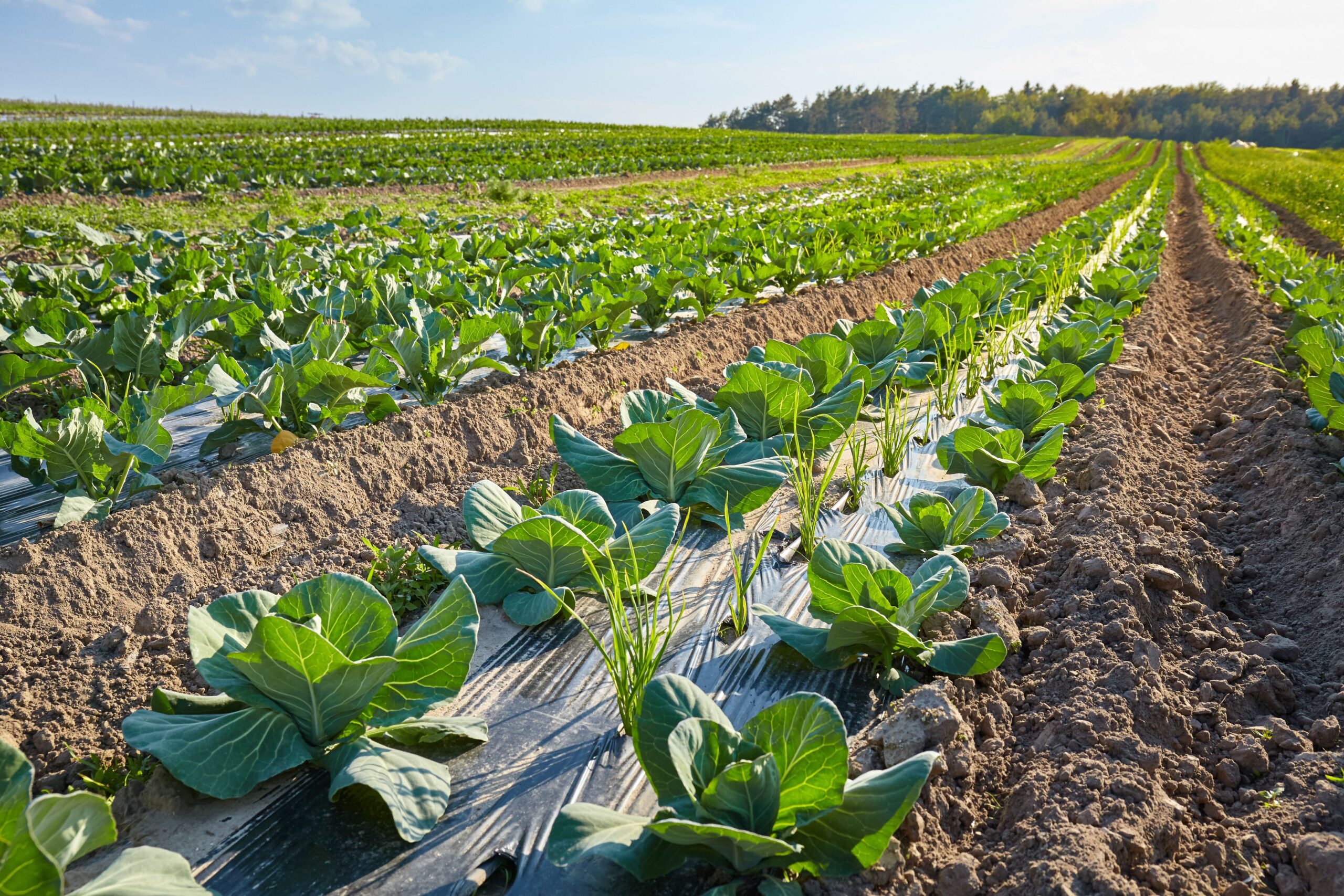
- Mulching with biodegradable films or organic residues blocks sunlight to inhibit weed germination while conserving moisture, and newer starch‑based mulch films offer longer durability and full decomposition for high‑value organic crops.
- Autonomous robotics and precision tools use AI and cameras to identify and remove weeds, automating inter‑row cultivation, while laser weeding systems deliver nonchemical destruction in row crops.
- Mechanical cultivation remains critical, with GPS‑guided hoes and sensor‑assisted cultivators improving precision, adjusting to row spacing in real time, and removing weeds at their most vulnerable stage.
Source: Organic Weed Management Practices, Sustainable Agriculture Research & Education (SARE), January 2026; Managing Weeds in Organic Systems, USDA National Organic Program, February 2026.
Advertisements