Growth Hinges on Market Demand
By Kendra Morrison
Published: July 1, 2026
Category: The Non-GMO Blog
Advertisements
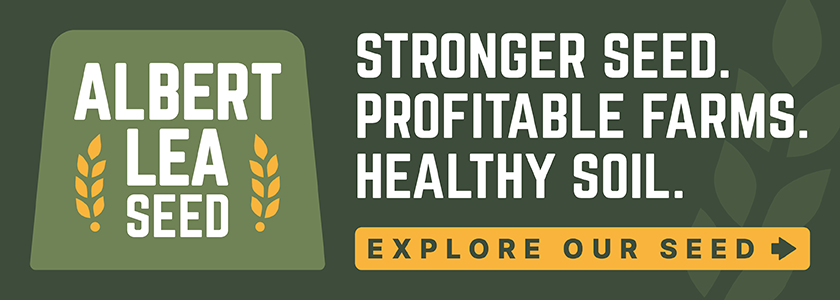
Industry leaders at the 2026 Natural Products Expo West, agreed that scaling regenerative practices depends on stronger market demand and clearer standards across the supply chain.
Opening the event, co-founder Jackson emphasized the role of community and network-building in expanding regenerative agriculture, noting increased participation from brands, retailers, and first-time attendees. Celia Hoffman, head of partnerships, highlighted the growth of a regenerative marketplace platform showcasing emerging brands across multiple 2026 events.
Speakers repeatedly pointed to economic pressure at the farm level. Adam Carter of the Soil and Climate Initiative cited USDA data showing the loss of 15,000 U.S. farms last year and a sharp rise in bankruptcies, emphasizing that farmers need reliable buyers, not just incentives, to transition to regenerative systems.
Andrew Walkman stressed that brands can play a direct role by sourcing ingredients from regenerative farms, calling the shift “practical” rather than aspirational. Meanwhile, Christopher McFadden of the Regenerative Organic Alliance highlighted the importance of third-party certification to prevent greenwashing and maintain consumer trust.
Retailers echoed the need for stronger consumer awareness. Representatives from Thrive Market and Amazon noted that while demand for sustainable products is growing, regenerative remains a small share of overall assortment.
Across panels, the message was consistent: without aligned demand from consumers, brands, and retailers, regenerative agriculture will struggle to scale despite growing industry momentum.
Advertisements