Maine Blueberry Growers Adapt After Major Harvest Losses
By Kendra Morrison
Published: July 1, 2026
Category: The Non-GMO Blog
Advertisements

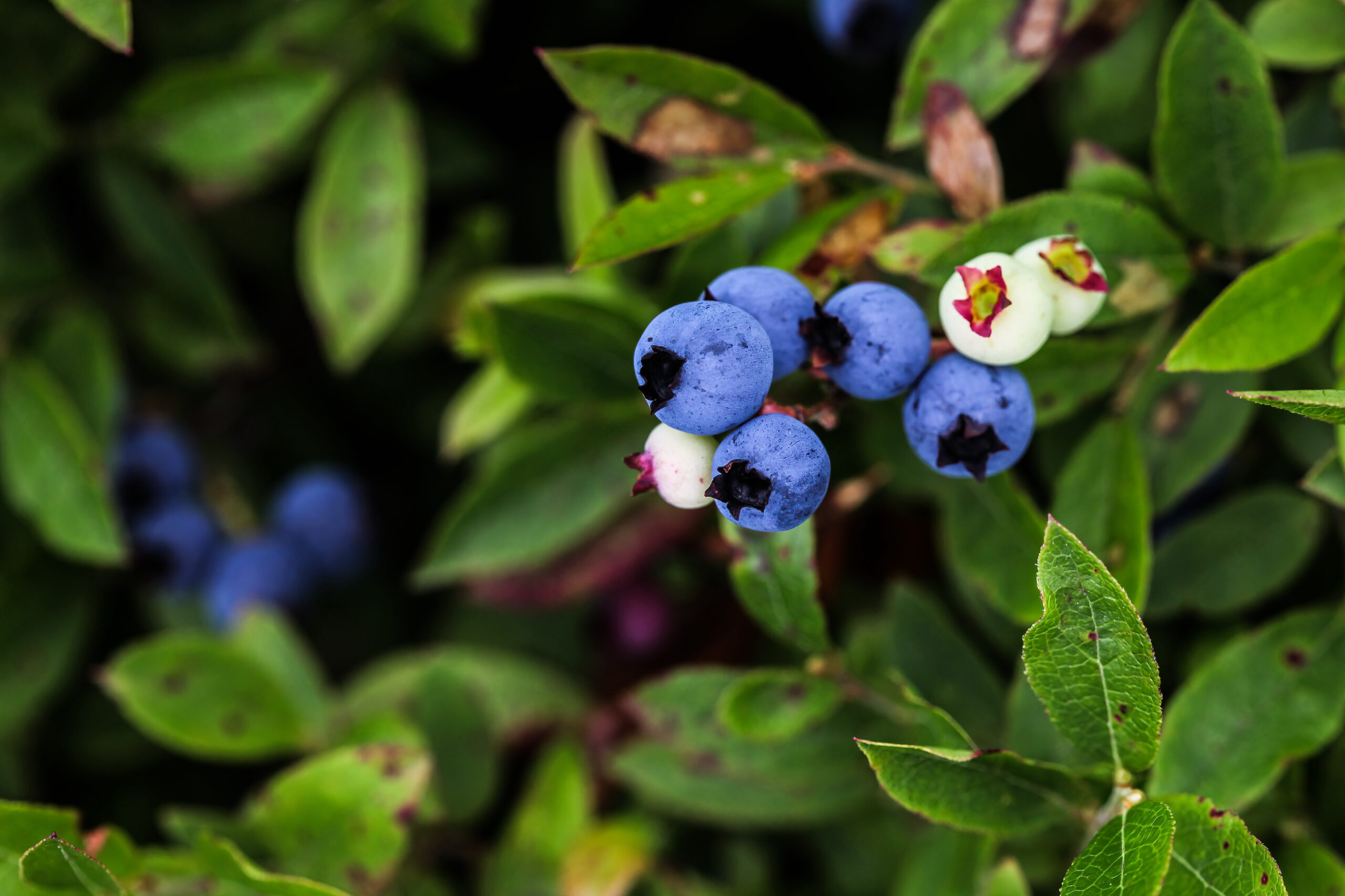
Maine’s wild blueberry industry is implementing new strategies to protect future harvests following severe crop losses during the 2025 growing season. Industry estimates indicate that weather related production losses reduced the state’s wild blueberry crop by nearly half, resulting in approximately $28 million in lost revenue for growers.
According to reports, unusual weather patterns disrupted bloom timing and pollination conditions across key production regions. Wild blueberries depend heavily on insect pollination, and growers have increasingly relied on managed pollinator services to support fruit set. In 2026, more than 21 million bees were transported into Maine to assist with pollination during the bloom period.
Growers are evaluating a range of approaches, including expanded pollinator habitat, improved field monitoring, irrigation investments, and production strategies designed to reduce vulnerability to weather extremes during flowering and fruit development.
Maine is the leading producer of wild blueberries in the United States, and the crop represents an important component of the state’s agricultural economy. Unlike cultivated highbush blueberries, wild blueberries are managed on naturally occurring barrens and are particularly sensitive to environmental conditions during pollination and fruit set.
Industry leaders are emphasizing the importance of pollination management and adaptive production practices to improve harvest reliability.
Sources: Business Insider, (2026, May), Maine wild blueberry farmers lost nearly half their harvest following severe growing season disruptions. HortiDaily, (2026), 21 million bees trucked to pollinate Maine blueberries. HortiDaily, (2026), U.S. Maine wild blueberry crop losses reach US$28 million in 2025. University of Maine Cooperative Extension, Wild Blueberry Program publications and industry resources.
Advertisements