Weed Control Strategies for Non-GMO Corn
By Kendra Morrison
Published: April 1, 2026
Category: The Non-GMO Blog
Advertisements

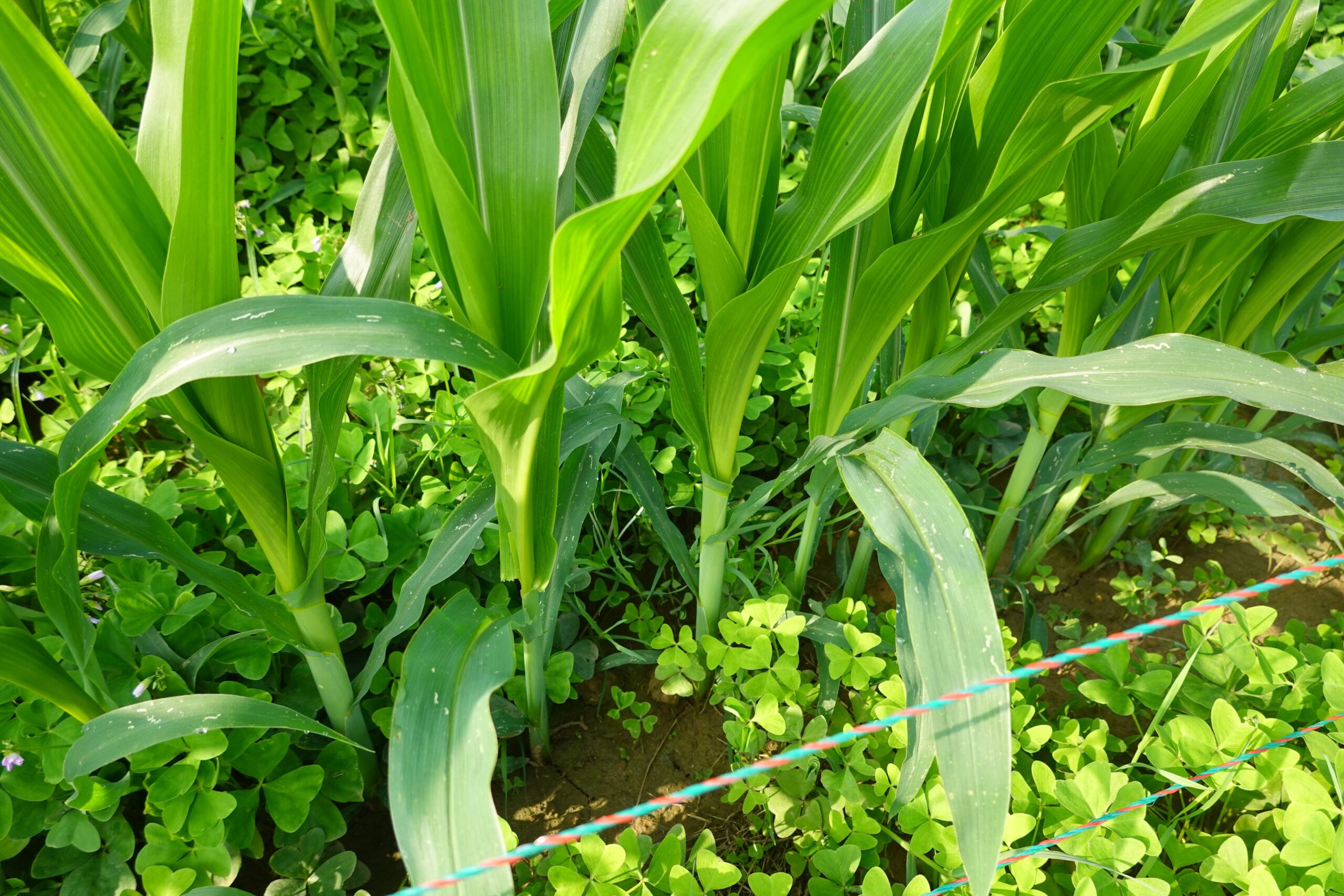
Renewed interest in growing non‑GMO or conventional field corn has emerged among U.S. farmers as seed costs remain lower than genetically engineered hybrids and premiums for identity‑preserved grain persist in some markets. However, weed management remains a critical factor determining profitability and yield outcomes for non‑GMO systems, extension specialists and research guidelines indicate.
University of Georgia Extension weed specialist Eric Prostko notes that growers accustomed to herbicide‑tolerant systems like Roundup Ready corn must revisit proven weed control programs originally used before widespread adoption of herbicide‑tolerant traits. Effective weed management in non‑GMO corn typically requires careful hybrid selection with natural tolerance to residual herbicides and a combination of preemergence and postemergence treatments tailored to prevalent weed species.
Weed scientists emphasize that corn yield potential is highly sensitive to early‑season weed competition. University‑based integrated weed management guidelines stress that weeds should be controlled before they reach 6 to 8 inches in height to prevent significant yield loss and reduce pest pressures later in the season. Cultural and mechanical tools such as scouting, seedbed preparation, crop rotation and timely cultivation complement chemical control to maintain weed pressure below economically damaging thresholds.
Sources: Eric Prostko, University of Georgia Extension “Non‑GMO corn doable with right weed control,” FarmProgress, February 17 2026; UC IPM Integrated Weed Management Guidelines for Corn; W.W. Donald USDA Agricultural Research Service weed control study.
Advertisements