Top 3 Seed Trends to Watch in 2026
By Kendra Morrison
Published: February 21, 2026
Category: The Non-GMO Blog
Advertisements

Industry trends indicate several seed categories that could offer strategic value for growers, suppliers, and agribusiness investors in 2026. Demand is rising for seeds that combine sustainability, resilience, and market potential.
Expanding organic acreage, evolving certification standards, and greater adoption across vegetables, grains, and specialty crops are creating opportunities for seed suppliers to expand portfolios and meet growing market needs.
- Climate-resilient seeds, including drought-tolerant and heat-resistant varieties, are gaining traction as growers contend with increasing weather variability. These seeds provide yield stability and risk mitigation in regions facing unpredictable rainfall and extreme temperatures, making them an attractive option.
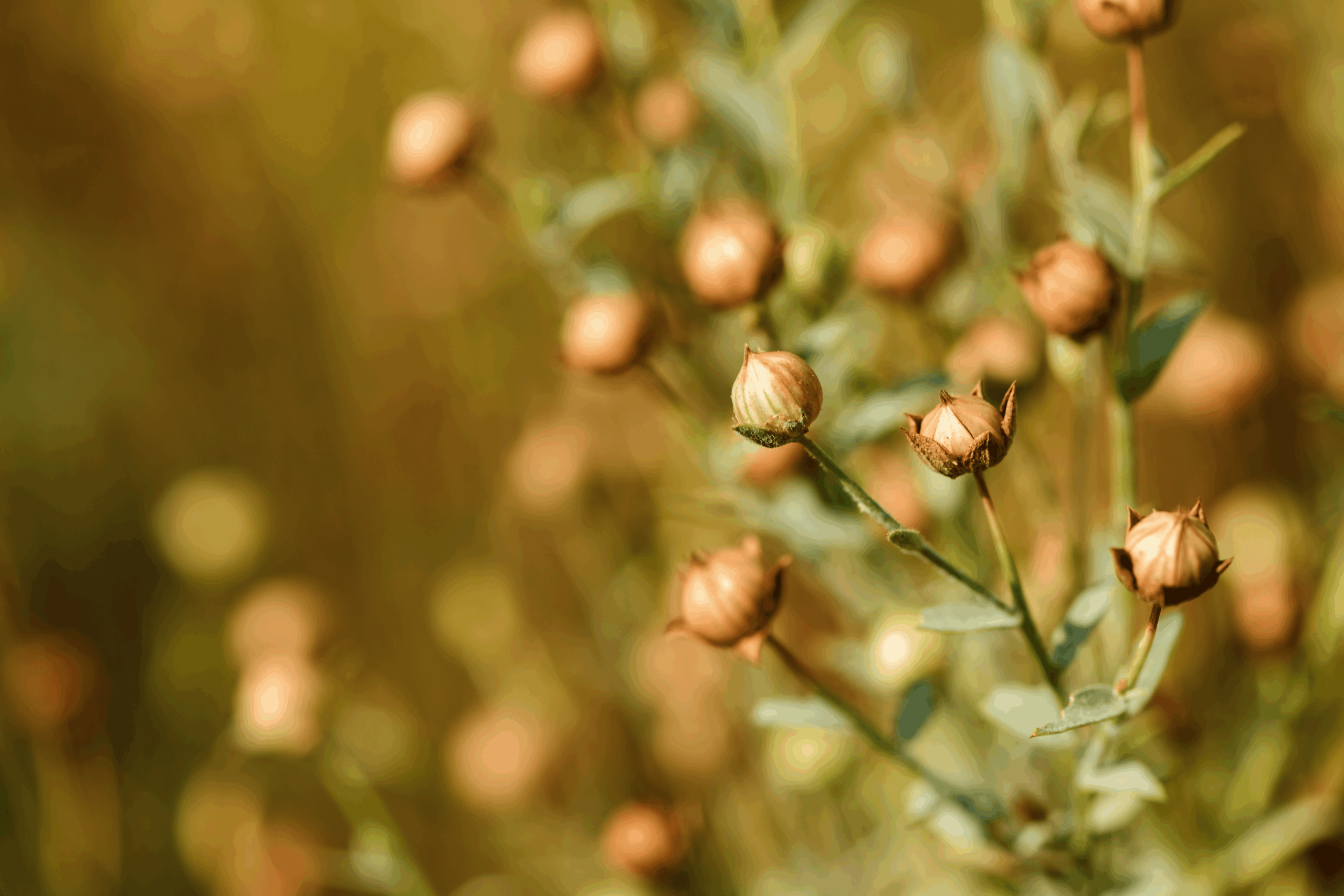
- Niche and functional seeds, such as linseed and hemp, continue to show strong growth due to applications in nutrition, wellness, and plant-based products. Linseed is valued for omega-3 content and lignans, while hemp seeds are expanding in oil, protein, and natural supplement markets.
- Fruit and vegetable seeds also remain a cornerstone of investment, particularly high-yield and disease-resistant varieties suitable for open-field and protected cultivation. Organic and heirloom vegetables are seeing increased adoption in urban agriculture and direct-to-consumer channels.
For industry participants, focusing on seeds that align with sustainability trends, climate resilience, and evolving consumer preferences can offer competitive advantages as planting and sourcing decisions for 2026 take shape.
Sources: Foodcom S.A., Seed Market Analysis; Global Growth Insights, Fruit and Vegetable Seeds Forecast; OpenPR, Garden Seeds Trends; Future Market Insights, Organic Seed Market Report.
Advertisements