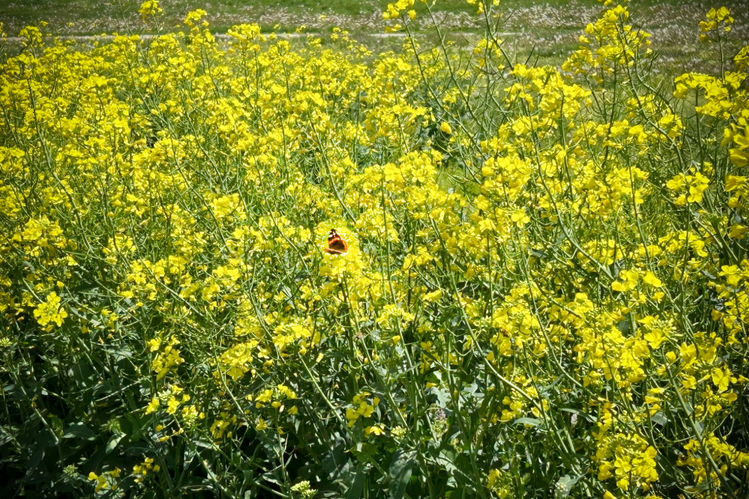
Winter Canola Could Profit Midwest Farmers, Enhance Regenerative Agriculture
A new University of Illinois Urbana-Champaign simulation study suggests winter canola could add both revenue and environmental benefits to conventional corn-soy rotations in the Midwest. The research found diversified rotations generated 10%…
In this issue
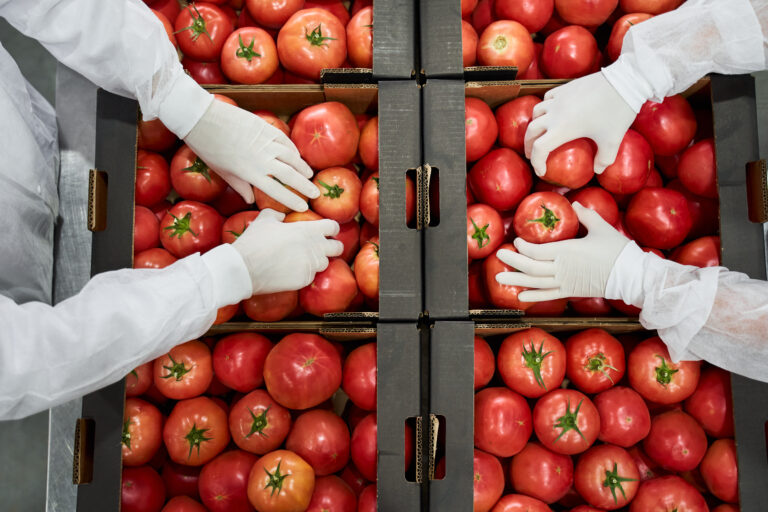
Inside the Systems Behind Identity-Preserved Supply Chains
As agricultural supply chains become more specialized, identity preservation is becoming more than a way to differentiate a crop. It is a…
6 min read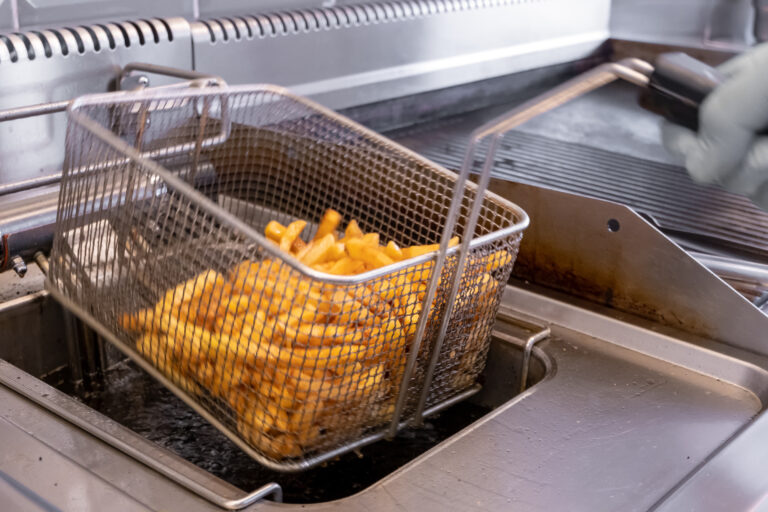
Used Cooking Oil as Potential Source for Organic Pest Control
Researchers at Chulalongkorn University in Thailand have developed a liquid potassium soap made from used cooking oil that could offer a new…
2 min read
Non-GMO Project Adds Sugarcane to High Risk List
The Non-GMO Project has added sugarcane to its Non-Testable High Risk List as biotechnology use in the crop continues to evolve. The…
2 min read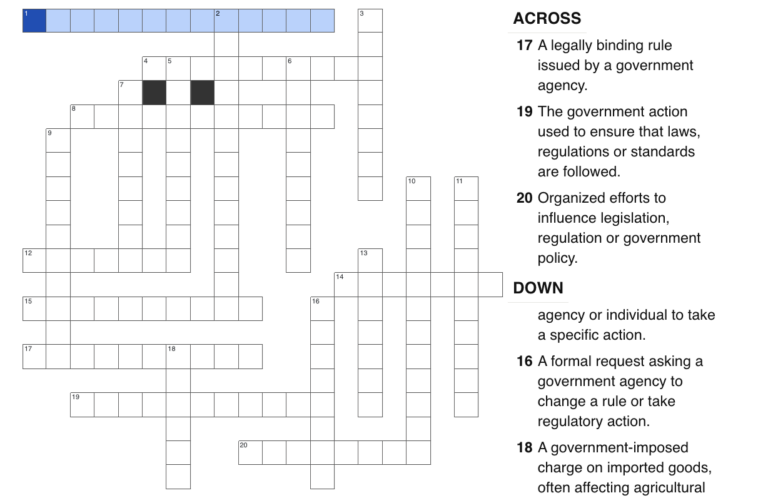
Find the suppliers behind these stories
Every company lists what it supplies, with certifications checked against public registries.
More in the October 2026 newsletter
This October, we’re looking at winter canola and new regenerative opportunities in the Midwest, the evolving systems behind identity-preserved supply chains, changes to non-GMO verification for sugarcane, and an unexpected use for used cooking oil in organic pest control, alongside policy, research, podcasts, events, and other developments worth keeping on your radar.
Kathleen Merrigan
Executive Director of the Swette Center for Sustainable Food Systems at Arizona State University
Bio: Kathleen Merrigan, now a professor in food policy and sustainability and Executive Director of the Swette Center for Sustainable Food Systems at Arizona State University, previously served as U.S. Deputy Secretary of Agriculture; earlier in her career, she wrote the law that established national standards for organic food while working for the U.S. Senate Committee on Agriculture, Nutrition, and Forestry.
What policy priority would most strengthen domestic organic supply over the next decade?
Increased, sustained investments in programs that help producers and handlers navigate the transition to organic, such as our newly launched Kernel program, to support next gen farmers grow and raise homegrown organic food.
Learn more →Approximately what percentage of U.S. corn acreage is planted with genetically engineered varieties?
- A. 72%
- B. 84%
- C. 94%
Show the answer
Answer: C. 94%
How often do food companies challenge the policies designed to protect public health?
This investigation by Lighthouse Reports examines 239 lawsuits filed between 2010 and 2025 in six countries over policies including front-of-pack labeling, restrictions on junk-food marketing and taxes on sugary or ultra-processed foods. The investigation offers a deeper look at how litigation can influence the pace and implementation of food policy, and what that means for policymakers and consumers.
Read more →Soup-To-Nuts
Produced by FoodNavigator-USA, Soup-To-Nuts explores the business, policy and market forces shaping the food industry. Recent coverage has examined the organic industry’s push for greater domestic production, processing infrastructure, research support, enforcement and policy certainty, making it a useful listen for anyone following where food policy intersects with markets and supply chains.
Listen now →Can you finish the puzzle without any hints?
Click on the puzzle to be directed to the website where you can save your score and receive hints.
Play the puzzle →"In a democracy, every citizen should have access to facts."– Norman Borlaug
Networking events from this newsletter
- Regenerative Food Systems Investment Forum 2026October 6–8 – Denver, CORegenerative Food Systems Investment (RFSI)
- Drought in the Midwest October Webinar: Conditions, Outlooks, and ResourcesOctober 8, 2:00 PM CT – VirtualNational Integrated Drought Information System (NIDIS)
- Global Produce & Floral ShowOctober 14–16 – Orlando, FLInternational Fresh Produce Association
- Norman E. Borlaug International DialogueOctober 20–22 – Des Moines, IAWorld Food Prize Foundation
- Advancing Food Is Medicine 2026: Regenerating CommunitiesOctober 20–21 – Edmond, OKThink Regeneration
- FIRA USA 2026October 20–22 – Yakima, WAGlobal Organization for Agricultural Robotics (GOFAR), with Yakima County and Yakima County Development Association
- National Organic Standards Board Fall Public Comment WebinarsOctober 20 & 22, 12:00 PM ET – VirtualUSDA Agricultural Marketing Service / National Organic Standards Board
- SupplySide Global 2026October 26–30 – Las Vegas, NVInforma Markets
- The REGENERATE ConferenceOctober 28–30 – Santa Fe, NMQuivira Coalition, Holistic Management International, and American Grassfed Association
- Mid-Atlantic Organic and Sustainable Agricultural ExchangeNovember 9 – State College, PAPenn State Extension
- California Agriculture & Climate ConferenceNovember 9 – Fresno, CACalifornia Climate & Agriculture Network (CalCAN)
- Sustainable Agriculture SummitNovember 18–19 – Fort Worth, TXField to Market and Innovation Center for U.S. Dairy
- Eco-Ag Conference and Trade ShowDecember 1-4 – Coralville, IAAcres U.S.A.
More from The Report