
Used Cooking Oil as Potential Source for Organic Pest Control
A waste stream more commonly associated with restaurant grease traps is gaining attention as a potential source of crop protection products. Researchers at Chulalongkorn University in Thailand have developed Repids, a liquid potassium soap made from used vegetable cooking oil that can be used to control certain insect pests and as an adjuvant for biological control products.
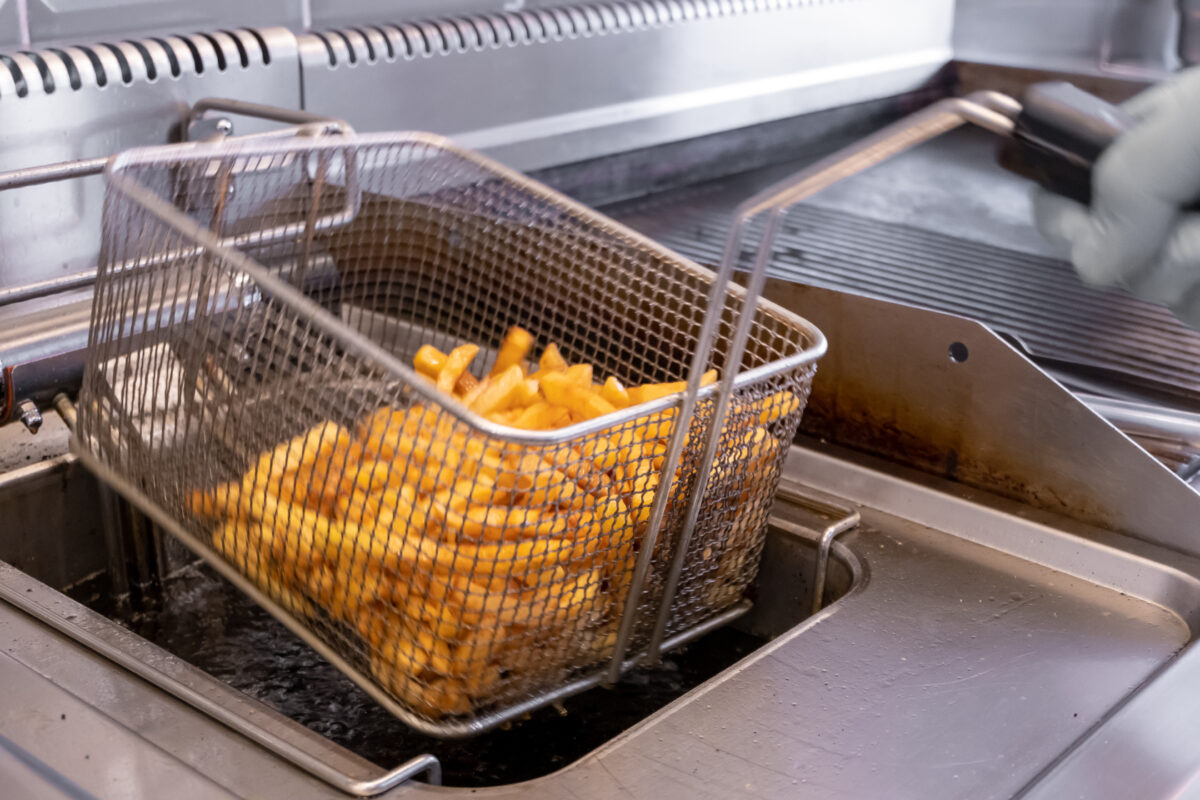
The technology originated from an effort to manage grease waste generated by university cafeterias. Researchers filtered used cooking oil and converted its fatty acids into potassium soap through saponification using potassium hydroxide. The resulting liquid can be diluted for agricultural applications.
According to Chulalongkorn University, the soap acts primarily through contact. Its surfactant properties allow it to spread across the surface of soft bodied insects, disrupting their protective outer layer and potentially causing dehydration. The university reports activity against pests including mealybugs, thrips, mites, aphids and whiteflies.
The development comes as researchers elsewhere are examining similar uses for waste cooking oil. A 2025 study published in the Journal of Plant Diseases and Protection evaluated waste cooking oil and several derivatives against the grapevine mealybug, Planococcus ficus. Potassium salts of fatty acids produced from the waste oil caused mortality of up to 97.5 percent among second instar nymphs and 92.5 percent among adult females at a 1.2 percent concentration under laboratory conditions. The researchers emphasized that additional work is needed to develop and evaluate waste cooking oil based pest control products.
The approach also fits within an existing category of pest management materials used in organic agriculture. The U.S. Department of Agriculture National Organic Program lists insecticidal soaps among substances permitted for crop production, subject to applicable requirements. Commercial potassium soap products are also listed by the Organic Materials Review Institute for restricted use in organic crop production.
Sources:
Tuntiwiwattanapun N. (2026) Repids: Turning Used Cooking Oil into Organic Insecticide: A Community Innovation from Chulalongkorn University. Chulalongkorn University. August 6, 2026.
Mannu R, Giannini V, Lentini A, Olivieri M, Pintus S, Pisano L, Roggero PP, Azzena U. (2025) From waste to opportunity: evaluating the pesticidal properties of a waste cooking oil and its derivates. Journal of Plant Diseases and Protection. doi:10.1007/s41348-025-01103-3.
U.S. Department of Agriculture, Agricultural Marketing Service. (2025) Insecticidal Soaps. National Organic Program. Updated March 17, 2025.
U.S. Environmental Protection Agency. (1992) Soap Salts: Reregistration Eligibility Decision Fact Sheet. U.S. Environmental Protection Agency.
University of Maryland Extension. (2026) Pesticide Profile: Horticultural Oil. Updated September 22, 2026.