Prairie Plants and Pollinators for Biodiversity
By Kendra Morrison
Published: June 1, 2026
Category: The Non-GMO Blog
Advertisements

New research from Iowa State University is highlighting the relationship between prairie plant diversity and pollinator populations as scientists examine ways to strengthen biodiversity in agricultural landscapes. The study, conducted through the university’s prairie and pollinator research programs, found that restored prairie systems containing diverse native flowering species supported larger and more stable pollinator populations than simplified landscapes dominated by row crop production.
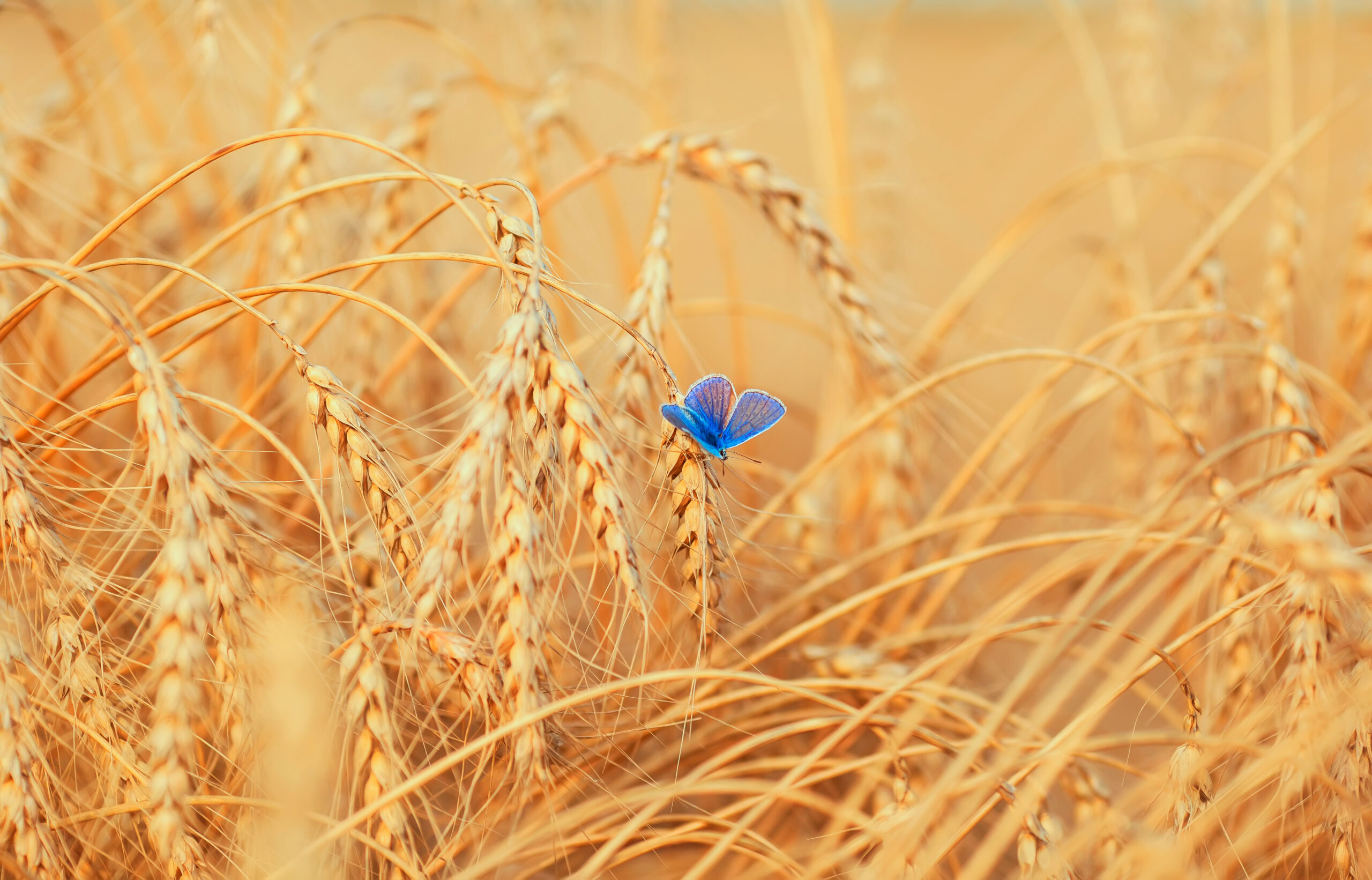
Researchers observed that different prairie plant species bloom at varying times throughout the growing season, creating a more continuous food supply for bees, butterflies, and other pollinating insects. Scientists say this seasonal diversity is critical because many pollinator species rely on consistent nectar and pollen availability rather than short flowering windows. The findings also suggest that prairie restoration may improve ecosystem resilience while supporting beneficial insect populations connected to crop production.
The research comes as pollinator decline continues to raise concern across U.S. agriculture. Habitat loss, pesticide exposure, disease pressure, and climate variability have all been linked to reductions in pollinator abundance and diversity. Prairie strips and native habitat restoration projects have increasingly gained attention in the Midwest as conservation tools that can coexist alongside commercial farming systems.
Sources: KCRG-TV9, “Iowa State University Research Links Pollinators and Prairie Plants in Creating Biodiversity,” April 17, 2026; Iowa State University Extension and Outreach, “Prairie Strips Improve Biodiversity and Ecosystem Services,” 2025; Proceedings of the National Academy of Sciences, “Native Prairie Reconstruction Supports Pollinator Diversity in Agricultural Landscapes,” 2025; USDA Natural Resources Conservation Service, “The Importance of Pollinators in Agricultural Systems,” 2025.
Advertisements