Organic Compost Market
By Kendra Morrison
Published: May 1, 2026
Category: The Non-GMO Blog
Advertisements
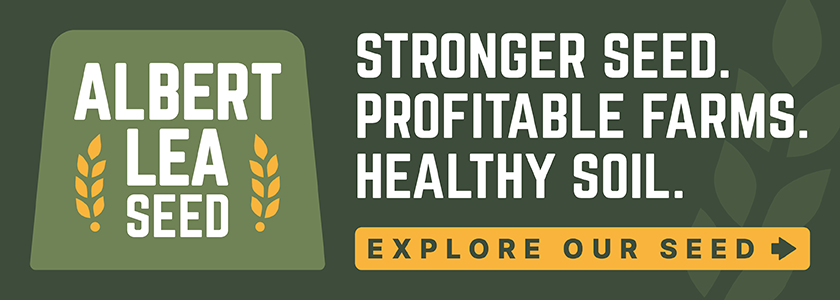
The global organic compost market is expanding as agriculture and waste systems respond to mounting pressure to improve soil health and reduce landfill waste. Market estimates place the sector at approximately $6.7 billion in 2026, with projections reaching $9.1 billion by 2035, reflecting sustained growth tied to organic agriculture and environmental policy support.
This growth is being driven by a clear shift in both farming and waste management. As concerns about soil degradation increase, more producers are adopting organic and regenerative practices that rely on compost to improve fertility, water retention, and biological activity. At the same time, policies aimed at diverting organic waste from landfills are increasing the supply of compost inputs, including food waste, manure, and plant materials, reinforcing a circular approach to resource use.
As demand and supply expand together, the structure of the compost industry is beginning to evolve. Production remains highly localized due to transportation and feedstock constraints, leaving the market fragmented, with the top companies accounting for only a small share of total output. However, larger firms are starting to scale through partnerships and infrastructure investments, signaling gradual consolidation.
Increased use of compost may reduce dependence on synthetic inputs while strengthening regional nutrient cycles, positioning the sector as a key component of long term agricultural resilience.
Sources: Business Research Insights. “Organic Compost Market Size, Share, Trend Report 2035.” 2026. Waste360. “Compost Market Competition Analysis 2025: How Players Are Shaping Growth.” 2025.
Advertisements