Iran War Impacting Fertilizer Supply
By Kendra Morrison
Published: May 1, 2026
Category: The Non-GMO Blog
Advertisements

The ongoing conflict involving Iran is disrupting global fertilizer supply chains, creating challenges for European agriculture during a critical planting period. Instability around the Strait of Hormuz, a key transit route for nitrogen fertilizers such as urea and ammonia, has constrained exports and contributed to rising input costs across the region.
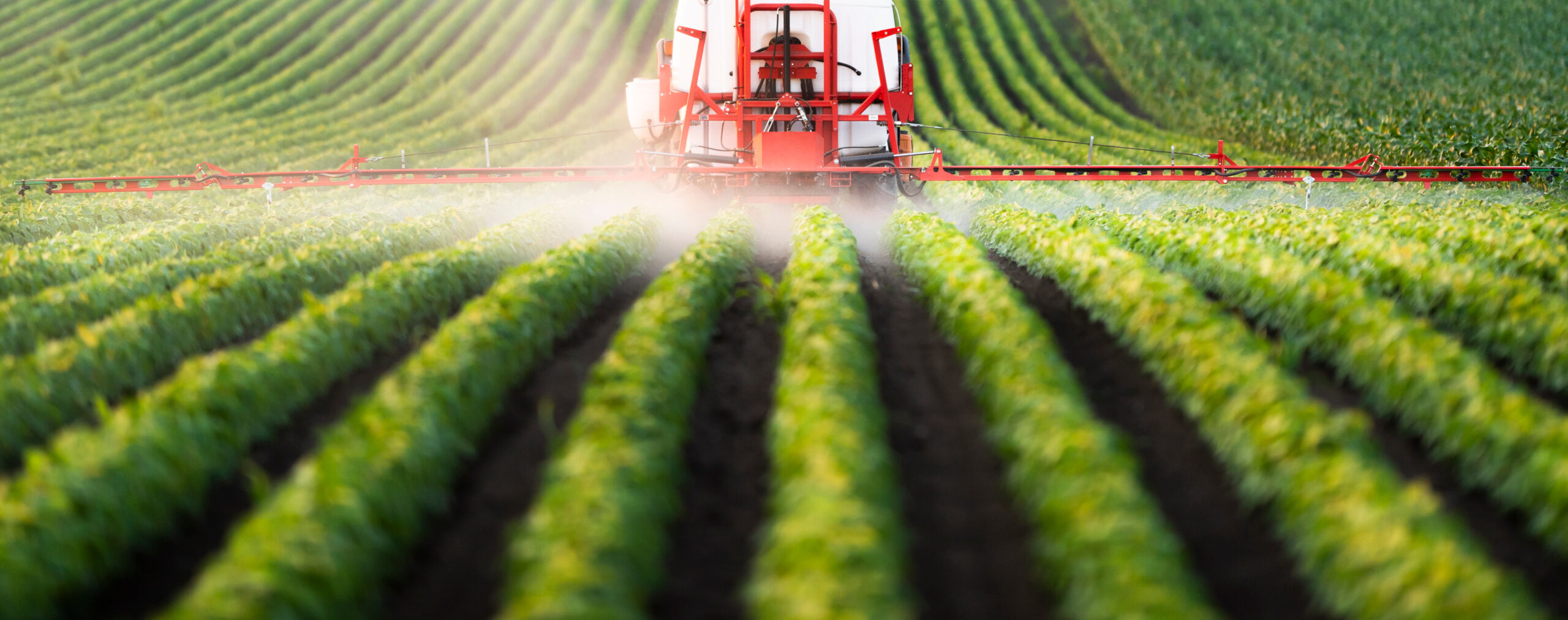
Fertilizer production in Europe remains closely tied to natural gas, and recent geopolitical tensions have added pressure to an already constrained energy and input market. As prices increase, many farmers are expected to reduce fertilizer application rates, raising concerns about potential yield declines in key crops.The impacts are most pronounced for conventional farming systems that rely heavily on synthetic inputs.
In contrast, regenerative farming operations that build fertility through cover crops, compost, and livestock integration are less directly exposed to global fertilizer disruptions. These systems depend more on biological nutrient cycling and have reported greater resilience to price volatility.
Industry analysts warn that continued supply instability could affect both production and food prices into the next growing cycle. Lower fertilizer use may reduce yields, particularly for cereals and other input-intensive crops, tightening supply in already sensitive markets.
The situation exemplifies ongoing vulnerabilities in input-dependent agricultural systems and is prompting increased interest in soil-based fertility strategies that reduce reliance on imported fertilizers.
Sources: Euronews. “Europe’s farms are reeling from the Iran war. Regenerative farmers saw it coming.” March 28, 2026. Reuters. “Iran war’s impact on fertilizer and fuel.” April 9, 2026. International Food Policy Research Institute. “The Iran war’s impacts on global fertilizer markets and food production.” April 2026.
Advertisements