Bumper Crop Potential Predicted for Spring 2026
By Kendra Morrison
Published: March 1, 2026
Category: The Non-GMO Blog
Advertisements

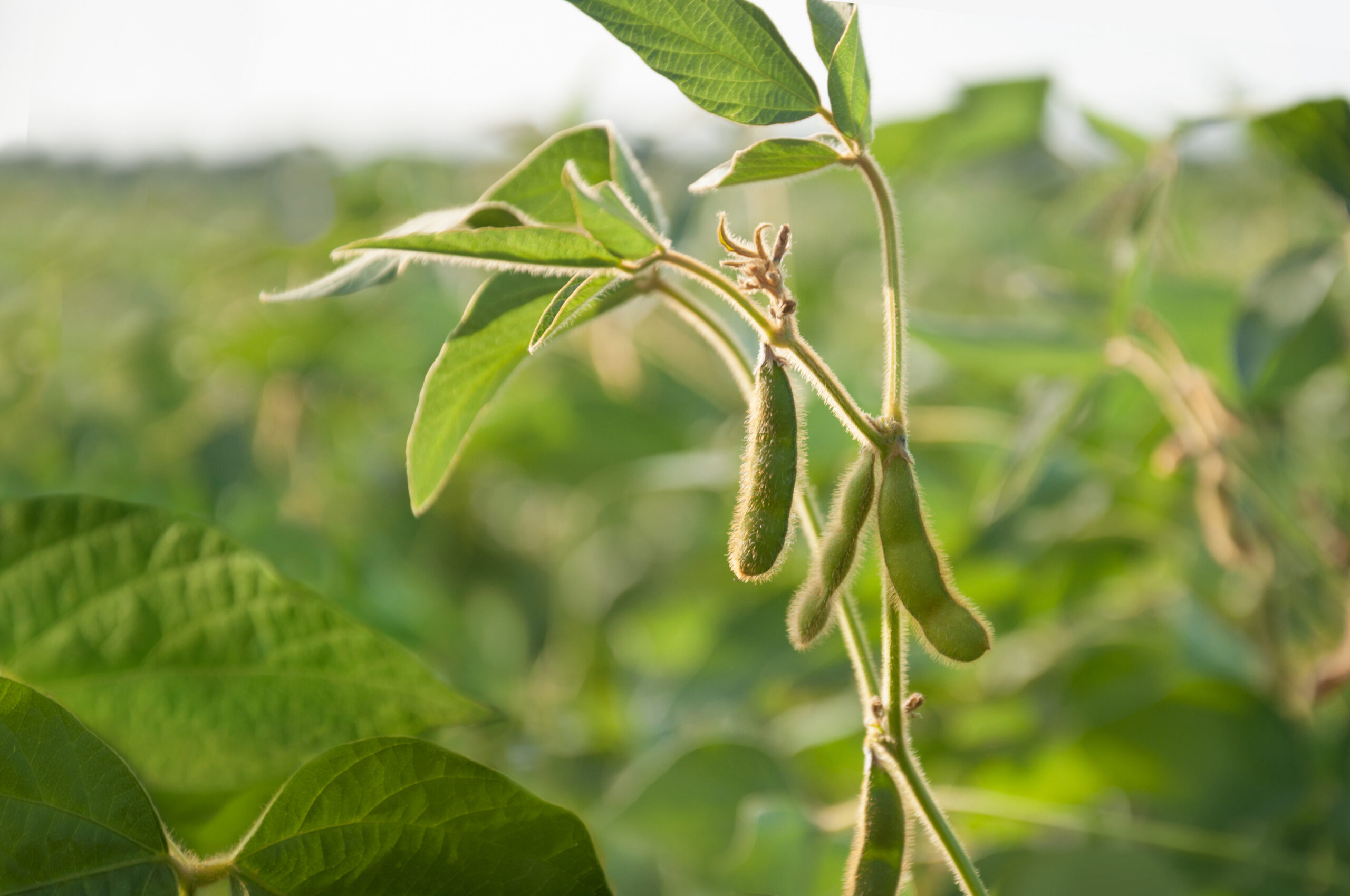
Agricultural meteorologists, like atmospheric scientist Matt Reardon, are pointing to weather patterns and seasonal shifts that could support above-average crop yields across key U.S. production regions in spring 2026. A February analysis by AgWeb highlights that similarities between current Pacific Ocean conditions and those preceding strong seasons in the past have prompted optimism among some forecasters about potential “bumper crop” outcomes for corn, soybeans, and spring grains. These expectations are rooted in a likely transition from La Niña toward neutral Pacific conditions, which historically correspond with more stable soil moisture and favorable growing conditions across the Midwest and Plains.
The U.S. Climate Prediction Center has indicated a roughly 75 percent chance that La Niña conditions, characterized by cooler Pacific sea surface temperatures, will give way to neutral conditions by early spring. Neutral phase conditions can reduce extremes of drought or excessive rainfall during critical planting and early growth periods, improving the outlook for crop establishment and development.
Despite this potential, moisture deficits persist in some areas and uneven precipitation patterns could influence site‑specific outcomes as the season unfolds. Recent weather briefings flagged low snow cover and localized dryness in the Northern Plains, underscoring the importance of spring precipitation for yield realization.
With input costs and risk margins tight, favorable weather could provide important support for planting decisions and output expectations.
Sources: AgWeb, “A 2014 Repeat? Why This Meteorologist Sees ‘Bumper Crop Potential’ for 2026,” February 11, 2026; U.S. Climate Prediction Center, ENSO Outlook, January 2026; DTN Ag Weather Brief, February 5, 2026.
Advertisements