Consumers are increasingly taking an active role in determining what ends up on store shelves, asserting preferences that extend beyond the traditional influence of regulators and companies.
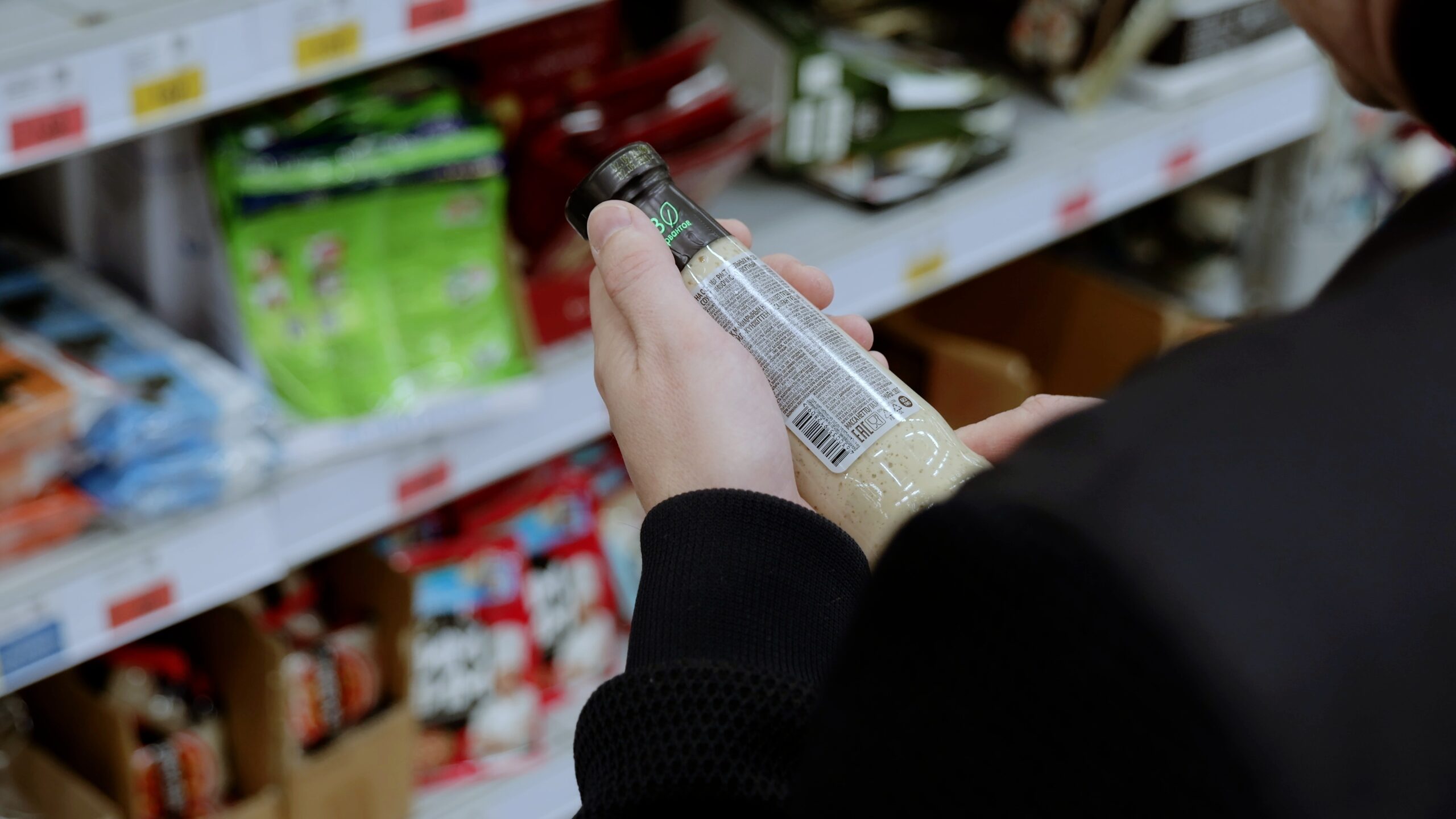
In France, millions of people are using Yuka, a mobile app that allows users to scan packaged foods and view ratings based on nutritional quality and additives, to challenge products they consider problematic. According to data from the polling organization IFOP, 58 percent of brands report changing their product formulation after receiving feedback through Yuka’s call-out feature, and 78 percent of French food manufacturers report reformulating products in response to app feedback. Across the Atlantic, 25 million Americans now use Yuka, with an additional 600,000 downloads each month, signaling the potential for similar consumer-driven influence in the United States.
The French experience illustrates how collective consumer action can translate into measurable change. Yuka’s internal database analysis shows that since 2019 the average number of high-risk additives per product in breakfast cereals in France has dropped by 58 percent, and by 48 percent in ready-made meals. These are categories characterized by frequent, routine purchases and high scan rates.
According to Yuka’s team, the consistency of consumer behavior has been central to that impact. “We see that consumers don’t just scan out of curiosity anymore. They change what they buy, and they do it consistently,” the company said. In a recent U.S. impact study conducted by Yuka, 94 percent of users reported putting a product back on the shelf when receiving a red rating, and 92 percent said they purchase fewer ultra-processed foods overall. “This daily discipline, repeated millions of times, is what creates real pressure on brands,” the team noted.
Ultra-processed foods have been a particular focus of reformulation. Industry reporting has highlighted French snack and cereal producers eliminating artificial colorings and preservatives following repeated low ratings. Since the launch of
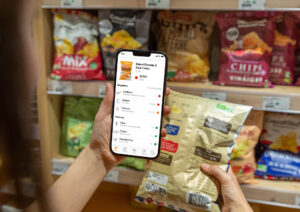
Yuka’s call-out feature, more than one million messages have been sent directly to brands through email or social media demanding the removal of high-risk additives. “Consumers don’t just want to be informed,” the company stated. “They want to be active participants in reshaping the food supply.”
Brand responses are evolving beyond isolated ingredient removal. Yuka reports that some European manufacturers now use its simulation platform during product development to test how recipes will score before launch. In France, retailer Intermarché has reformulated 900 private-label products and removed 142 additives, while multinational groups have publicly acknowledged that consumer-facing tools are accelerating product improvements. “Reformulation is increasingly being integrated upstream into R&D decisions, not just as a reaction to criticism,” the Yuka team explained.
Petitions, social media campaigns, and third-party ratings increasingly function as mechanisms for signaling expectations to manufacturers. In some cases, these signals produce faster adjustments than formal regulatory processes. As the Yuka team described it, “Yuka is part of a broader shift from a top-down system, where safety is defined only by regulators, toward a bottom-up model where consumers ask, very simply, ‘Is this ingredient really necessary?’”
In the United States, the dynamics differ but the potential impact is significant. Yuka’s American growth has occurred without paid advertising, driven largely by word of mouth. “American users are very engaged,” the company said. “They scan frequently, share the app with friends in the aisle, and they are quick to question why certain additives are allowed in
the U.S. when they are restricted or banned in Europe.” That comparison plays out within a more complex U.S. regulatory landscape. “U.S. brands can no longer hide behind ‘FDA-approved’ as reassurance when consumers can see that other markets have moved faster on certain risks,” the team added.
The French case demonstrates that consumers can move beyond passive choice to become active partici
pants in shaping the food landscape. Over time, sustained consumer feedback may encourage brands and suppliers to rethink sourcing decisions, reduce reliance on controversial additives, and align more closely with clean-label, non-GMO, organic, and regenerative agricultural practices. As Yuka’s team observed, “What looks like a small gesture, putting one product back on the shelf, becomes a powerful signal when it’s repeated thousands of times a day.” The cumulative effect represents a measurable shift in influence, with consumers increasingly helping define what constitutes acceptable, safe, and desirable food.
Sources: IFOP. Les Français et l’influence des applications mobiles sur l’alimentation. IFOP Press Release, July 2025; Yuka. Social Impact Report 2025. Paris: Yuka, 2025; Yuka. Yuka App Statistics and User Engagement. Company Press Release, February 2026; Business Wire. “78% of French Food Manufacturers Now Factor Yuka Scores Into Product Formulation.” Press Release, December 9, 2025; Food Navigator. “French brands reformulate after consumer app ratings.” October 2025; Statista. “Number of Yuka App Downloads and Active Users in the United States 2026.” February 2026.
Advertisements