Agriculture Softwares for Sustainable Yields
By Kendra Morrison
Published: April 1, 2026
Category: The Non-GMO Blog
Advertisements
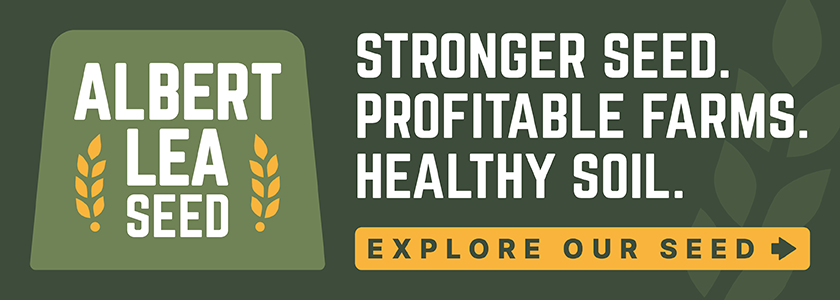
Farmers and researchers are increasingly turning to automation and digital technologies to drive sustainable agriculture transitions that align with regenerative principles and environmental goals. Innovation aimed at reducing resource inputs, optimizing productivity and strengthening ecological outcomes is gaining traction as farmers respond to market demand for sustainably produced food.
Digital platforms that democratize innovation and connect growers with regenerative practices are emerging as key enablers. The Funding Regeneration initiative, for example, highlights open‑access frameworks that support collaborative development of low‑cost tools and data sharing to expand adoption of regenerative methods such as cover cropping, reduced tillage and soil carbon monitoring. By lowering barriers to technology and fostering community‑driven solutions, these models seek to empower farmers across scales to refine sustainable management.
Precision agriculture technologies are also broadening sustainability options. Tools including soil moisture sensors, variable‑rate applicators and satellite imagery systems enable growers to tailor water, nutrient and pest management decisions in real time, reducing waste and limiting environmental impact. These digital aids help producers move beyond one‑size‑fits‑all approaches to crop inputs while improving profitability and resource efficiency.
Further, automation technologies such as autonomous tractors, robotic weeders, drone sprayers and machine learning systems are being adopted to enhance in‑field operations. These systems can lower labor demands, improve timeliness of field work and reduce overall energy use. In organic and regenerative production systems, robotics that support mechanical weed control without herbicides are especially promising for reducing reliance on manual labor.
While cost and technical literacy remain barriers for widespread adoption, the integration of digital and automated solutions is widely seen as a foundation for scaling sustainable practices. Continued collaboration between technology developers, farmers and nonprofit partners may accelerate innovation that aligns agricultural productivity with ecological stewardship.
Sources: Funding Regeneration Earth “Democratizing Innovation for a Greener Future”; US Farmers & Ranchers in Action “Five Tools and Technologies That Drive Sustainable Agriculture”; Farmonaut “Farm Automation: Seven Ways Automation in Agriculture Boosts Sustainability.”
Advertisements