After 20 Years, Non-GMO Reclaims Its Place at the Table
By Ben Picard
Published: December 15, 2025
Category: Non-GMO Trend, The Non-GMO Blog
Advertisements

You’re buying bread on your usual store run. As you reach for the standard GMO brand, you notice the organic, locally made loaf is only 15 cents more now. Which one would you buy?
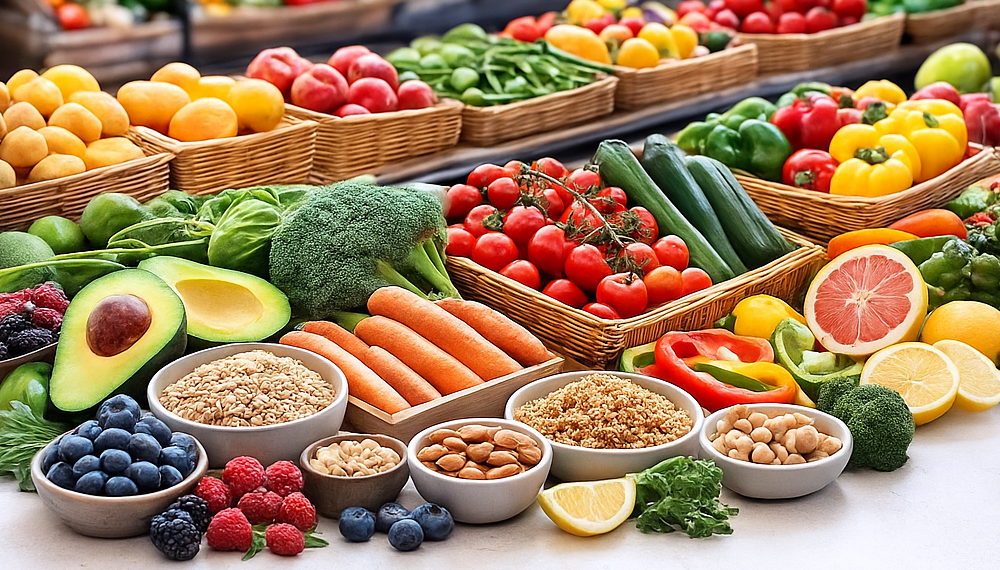
As the price gap between organic and conventional products continues to narrow, organic is becoming a viable everyday option for consumers. This shift will most benefit growers investing in higher-volume organic staples, processors scaling up certified-organic lines, retailers pushing accessible organic tiers, and brands ensuring transparency from field to shelf as premiums become less of the profit driver.
According to the Organic Trade Association (OTA), U.S. organic sales reached $71.6 billion in 2024, including $65.4 billion from organic food, growing 5.2%, more than twice the 2.5% rate of the overall food marketplace.
Part of this record sales success is due to the expanded organic acreage, stronger production efficiencies, and more competitive market participation that have lowered costs. Data from Circana, cited by the Organic Produce Network, shows the price gap in fresh produce shrinking from 71% in 2021 to approximately 61% in 2024. As organic becomes more financially accessible, it expands beyond higher-income households to reach more price-sensitive shoppers.
Sources: Organic Trade Association (2025 Organic Industry Survey); Organic Produce Network (citing Circana data)
Advertisements