On-Farm Hubs Accelerate AgTech Innovation
By Kendra Morrison
Published: April 1, 2026
Category: The Non-GMO Blog
Advertisements

Specialty crop growers in the United States face mounting pressures from labor shortages, rising input costs, and increasing demand for sustainable and traceable food systems. To address these challenges, a new generation of on-farm innovation hubs is emerging, providing space for startups, growers, and technology developers to test and refine tools in real-world conditions.
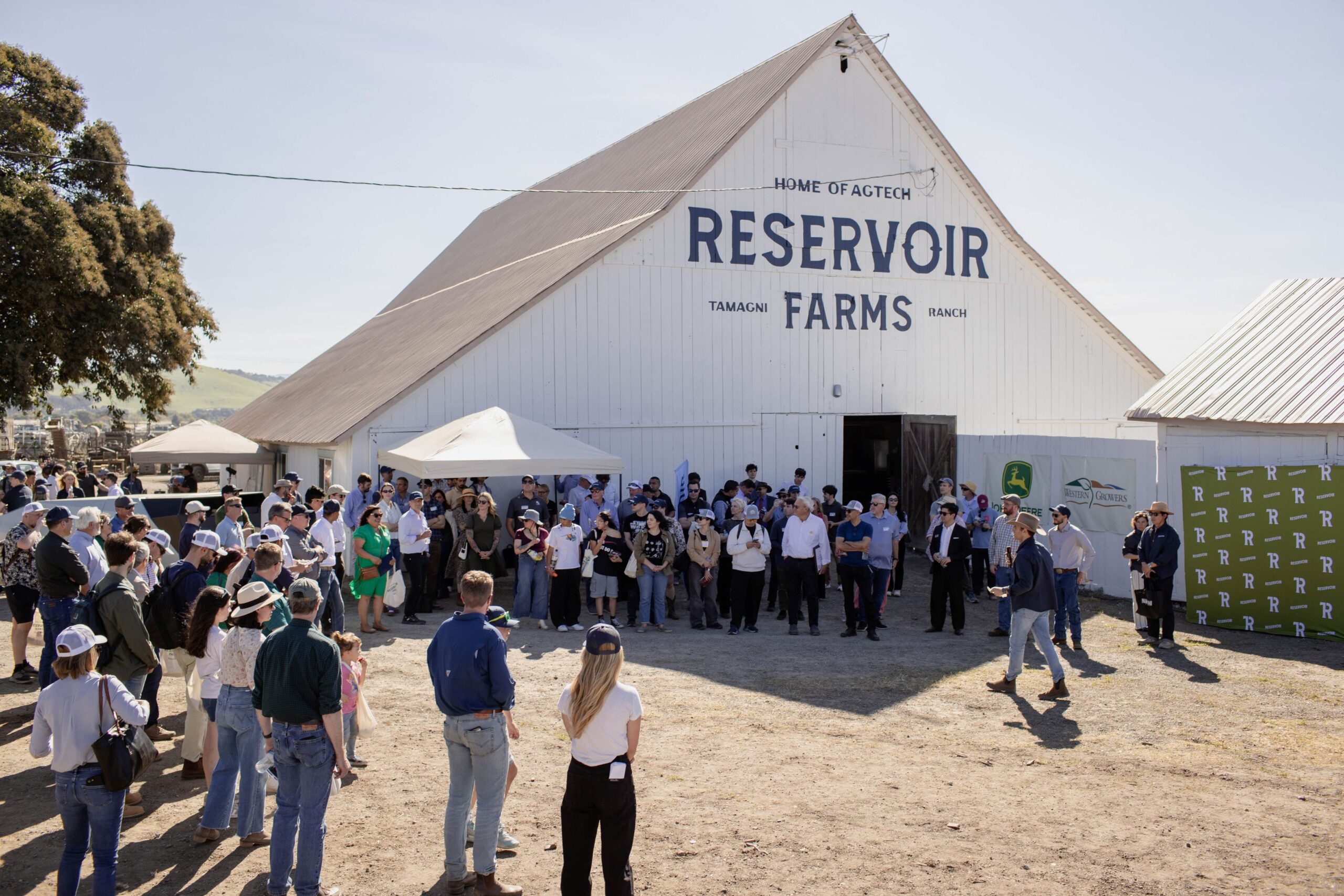
One of the first high-density examples of this model is Reservoir Farms – Salinas, a 24-acre facility that brings together multiple innovation barns, commercial test fields, and a network of agtech partners. Startups at the hub are piloting AI-driven sensing platforms, autonomous harvest systems, and novel crop protection methods, while growers contribute practical insights to ensure the technologies meet operational needs. Industry partners such as John Deere, Western Growers, and Nutrien Ag Solutions provide equipment, agronomic expertise, and workforce programs to accelerate development.
Experts note that these hubs reflect a broader trend in agriculture toward integrating R&D directly into production systems. By situating innovation on working farms, startups can shorten the path from prototype to commercial adoption, while farmers gain early access to tools that improve efficiency, reduce labor dependence, and enhance sustainability.
Hubs like Reservoir Farms – Salinas aim to reduce the time from concept to commercial adoption. Industry observers suggest that as labor pressures and sustainability requirements intensify, similar collaborative models may become essential for scaling practical solutions across specialty crop operations nationwide.
Sources: Reservoir press release, March 17, 2026; Reservoir official website; Western Growers public statements
Advertisements