
By Kendra Morrison
The natural and organic products industry entered 2026 with strong momentum, but also increasing complexity, according to insights shared at the Natural Products Expo West keynote, “The State of Natural and Organic.” Industry leaders described a sector expanding rapidly while navigating persistent challenges around affordability, trust, and scalable growth.
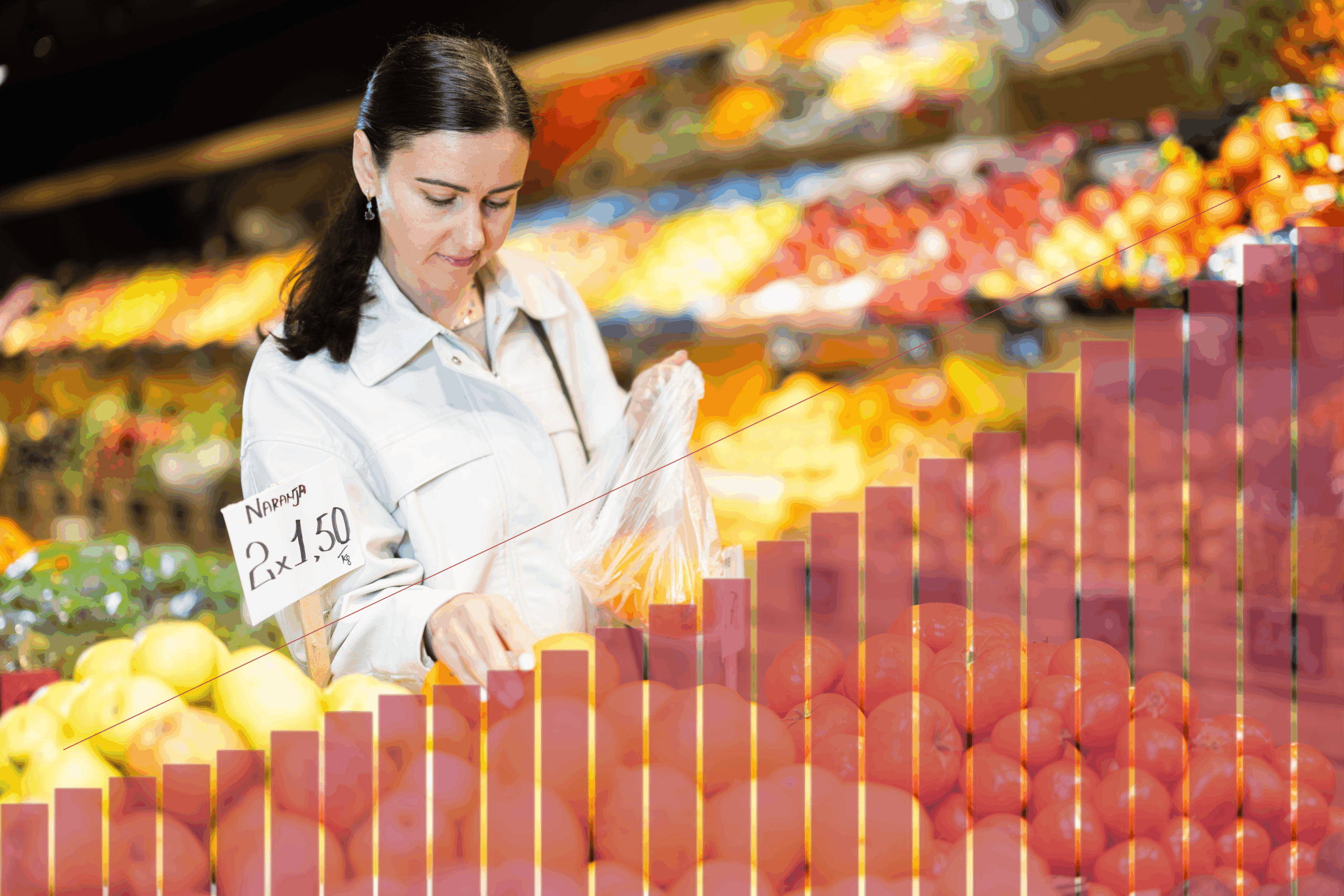
The topline story remains one of expansion. The sector reached approximately $342 billion in 2025 and is projected to approach $427 billion by 2029. “We are now a $342 billion industry… and it’s growing at an accelerated rate,” said Bill Giebler, Content and Insights Director at New Hope Network. Growth timelines are compressing, with the industry reaching each successive $100 billion milestone faster than the last.
Food and beverage continues to dominate at roughly $150 billion, but growth is broadening across supplements, personal care, and wellness. Importantly, this expansion is being driven not only by new consumers entering the category, but also by increased frequency and spending among existing buyers.
Economic pressures, however, are reshaping purchasing behavior. Presenters described a “K-shaped” economy in which higher-income households continue to spend while others become more price sensitive. Despite this, demand for natural and organic products remains resilient. Data shared at the keynote showed that 75 percent of consumers purchased a natural or organic product in the past six months, with 57 percent citing health benefits as the primary driver.

Among younger consumers, that motivation is even stronger. “When you look at that Gen Z and millennial cohort, that number jumps to nine out of 10,” said Ashley Rome, President of Acosta Group. At the same time, affordability remains a barrier. Seventy-two percent of consumers cited price as a reason for not purchasing more natural and organic products. Rome emphasized that this represents “a value articulation opportunity,” not simply a pricing issue.
Panelists underscored that today’s consumer is more informed and intentional than in previous decades. The rise of wearables, health tracking, and personalized nutrition tools is reshaping decision-making. “The consumer is now more the CEO of their own healthcare,” said Nick McCoy, Co-Founder and Managing Director of Whipstitch Capital, pointing to a shift toward self-directed health management.
Innovation, meanwhile, is evolving in form. While new product launches have slowed, panelists suggested that the quality and focus of innovation has improved. “Innovation can take a lot of different forms,” said Kathryn Peters, Head of Industry Relations at SPINS. “A lot of it is a return to tradition… simplified ingredient decks… and foundational nutrition.”
This emphasis on simplicity reflects heightened consumer scrutiny. Label reading is now widespread, with more than half of shoppers evaluating ingredients before trying new products, and significantly higher engagement among health-focused consumers. Shorter ingredient lists and recognizable components are increasingly competitive advantages.
Trust remains a defining issue. Despite strong interest in the category, 40 percent of consumers report confusion about what “natural” and “organic” mean. Panelists emphasized that transparency and third-party verification are essential to closing this gap.
“Consumers need the trust that emotional loyalty comes from,” said Gary Hirshberg, co-founder of Stonyfield Organic. “That trust can only come from verification.” Certified standards such as organic and non-GMO continue to play a central role in building that credibility, particularly as broader claims become diluted.
The Purpose Pledge initiative, highlighted during the keynote, reflects a broader push toward measurable accountability. The framework encourages companies to set defined goals across environmental, social, and governance areas and report progress publicly. The emphasis on metrics and transparency is intended to move the industry beyond narrative-driven claims toward verifiable impact.
Retail dynamics are also shifting. Supermarkets remain the dominant channel, but alternative formats such as club stores are gaining share, particularly among cost-conscious consumers. At the same time, natural retailers continue to play a key role in discovery and trust-building, serving as environments where consumers seek guidance and innovation.
Looking ahead, technology is expected to reshape the consumer experience. Panelists pointed to the rise of artificial intelligence, personalized recommendations, and emerging “agentic commerce,” where digital systems assist or automate purchasing decisions. “Seventy-five percent of consumers are open to an AI shopping assistant,” McCoy noted, highlighting the speed of this transition.
Despite these changes, core purchase drivers remain consistent. Price and taste continue to anchor decisions, even as values such as sustainability, transparency, and social responsibility gain importance. More than 90 percent of consumers now report seeking products aligned with their values, creating both opportunity and pressure for brands.
Panelists also identified areas where the industry has yet to fully deliver. Packaging, in particular, was cited as a major gap. “Packaging is the next frontier,” Hirshberg said, calling for collective innovation beyond incremental improvements.
As the sector continues to scale, the challenge will be balancing growth with integrity. With projections pointing toward a potential trillion-dollar market in the coming decades, the natural and organic industry is moving firmly into the mainstream. Its next phase will depend on its ability to maintain trust, improve accessibility, and deliver measurable impact across the food system.
Sources: Acosta Group, Natural Products Expo West Keynote, “The State of Natural and Organic,” March 2026; Speakers: Bill Giebler, Content & Insights Director, New Hope Network; Kathryn Peters, Head of Industry Relations, SPINS; Nick McCoy, Co-Founder & Managing Director, Whipstitch Capital; Kevin Liebrock, Product Director, New Hope Network.
Advertisements