Colorado Case Highlights Winter Barley Strategy
By Kendra Morrison
Published: March 1, 2026
Category: The Non-GMO Blog
Advertisements

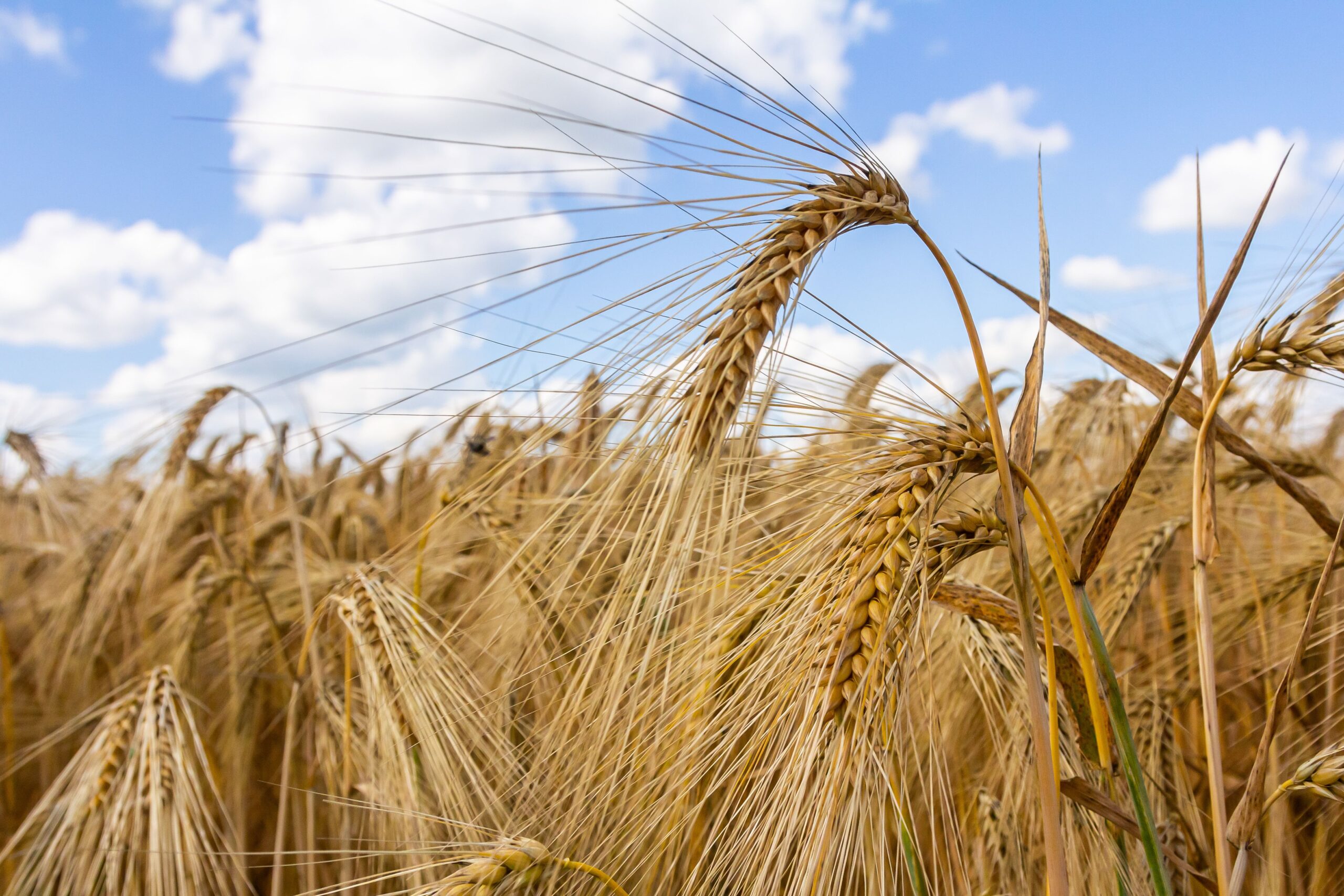
A Colorado grain producer’s shift to winter barley and regenerative practices illustrates how alternative cereal seeds and market development may offer resilience for farms facing water scarcity and changing climate conditions. In northern Colorado, Olander Farms and its malting subsidiary, Root Shoot Malting, have prioritized winter barley production and conservation-oriented rotations to improve soil health and stabilize revenue amid reduced irrigation water availability. The farm supplies grain for craft breweries and distillers while experimenting with winter barley varieties that fit regional climate constraints.
According to state reports, Colorado barley production was estimated at 5.66 million bushels in 2024, with acreage seeded rising slightly but harvest area declining amid challenging conditions. The barley case demonstrates how specialty grains can serve both regenerative agronomic goals and niche markets when conventional commodity returns are under pressure.
Market support initiatives such as Colorado’s Climate Smart Market Expansion Project are funding pilot efforts that increase demand for climate-smart crops including barley, rye, and millet, creating potential premiums for producers adopting conservation-focused seed systems. As water constraints tighten across the West, this case study underscores the role that seed choices, regenerative practices, and value-added pathways play in strengthening farm viability and expanding non-GMO barley supply chains for specialized end markets.
Sources: United States Department of Agriculture National Agricultural Statistics Service Colorado Small Grains Report September 30, 2024; Colorado Public Radio News: Winter barley is driving regenerative agriculture in Colorado February 6, 2026; Colorado Department of Agriculture Climate Smart Market Expansion Project press release.
Advertisements