Global Tea Sector Adapts
By Kendra Morrison
Published: March 1, 2026
Category: The Non-GMO Blog
Advertisements

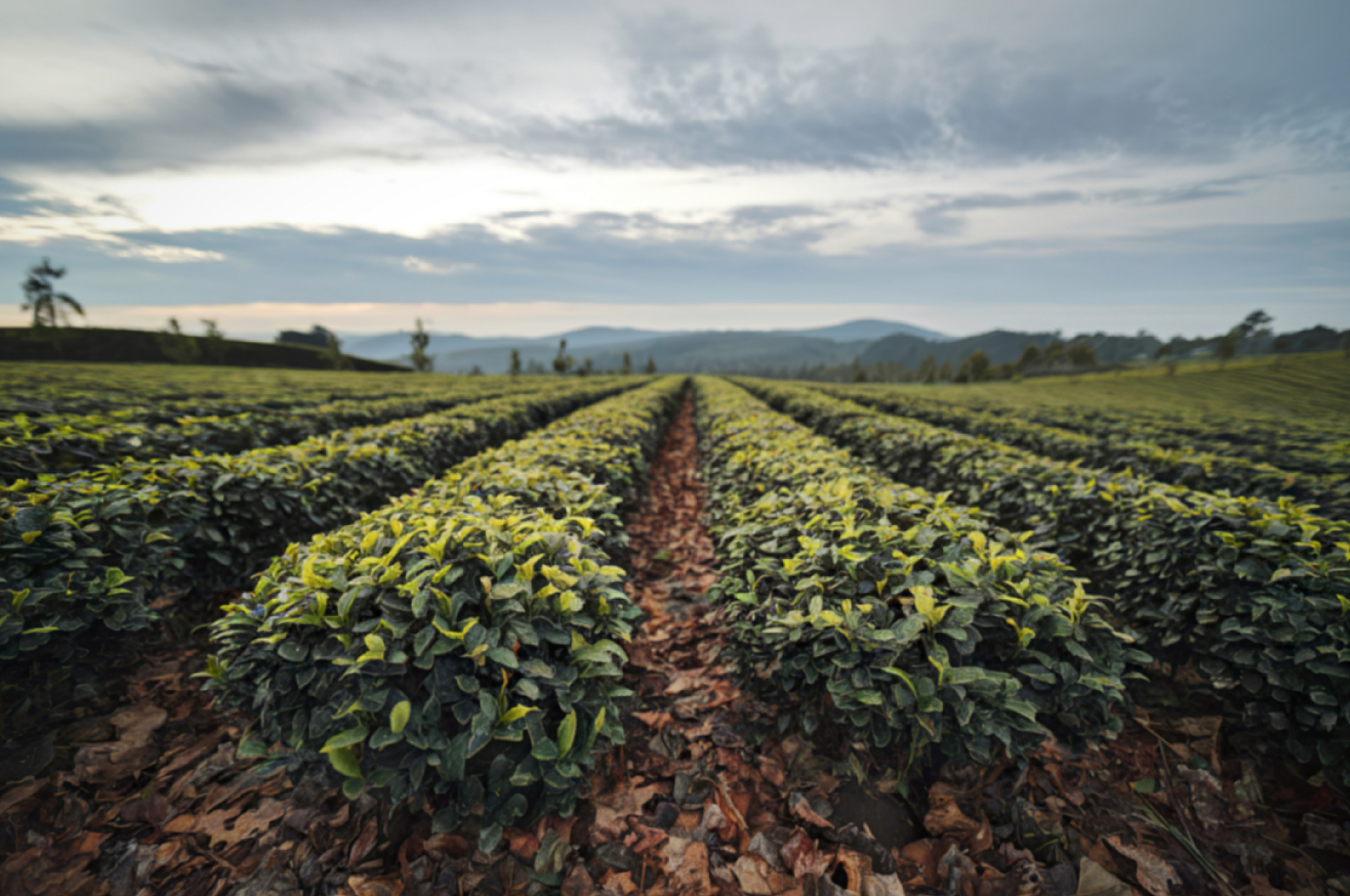
The global tea industry is facing mounting pressures from climate change and shifting consumer demand, prompting growers and processors worldwide to explore adaptation strategies even as market forecasts remain positive. Climate extremes, including hotter dry spells and erratic rainfall, have disrupted production in key regions such as India’s Assam and West Bengal, where yields have declined and harvesting windows narrowed due to rising temperatures and reduced rain.
Climatic variability has prompted farmers and research institutes to pursue resilience measures. In parts of West Bengal, for example, small growers are experimenting with organic methods and diversified farming practices to sustain incomes and adapt to unpredictable weather patterns. At the same time, a recent global suitability analysis indicates that climate change will reshape tea growing landscapes, with optimal areas shrinking in some traditional zones while expanding in higher altitudes and emerging regions, underscoring the need for proactive adaptation strategies such as climate‑resilient varieties and improved water management.
Despite these challenges, global tea demand continues to grow. Industry forecasts project the market expanding significantly through the coming decade, driven by rising consumption in Asia Pacific and increased interest in specialty and wellness‑oriented products. However, the intersection of climate risks and evolving market trends will require coordinated innovation across production, processing, and supply chain practices to ensure long‑term sector viability.
Sources: Reuters, “Drier weather threatens India’s tea exports, global supply,” August 26, 2025; DW News coverage, “Climate change reshaping West Bengal’s tea industry,” January 2026; World Tea News, “Climate change to reshape global tea production landscape,” October 20, 2025; Grand View Research, “Tea Market Size, Share & Trends,” 2025 Report.
Advertisements