Soil Carbon Gains Attention
By Kendra Morrison
Published: March 1, 2026
Category: The Non-GMO Blog
Advertisements

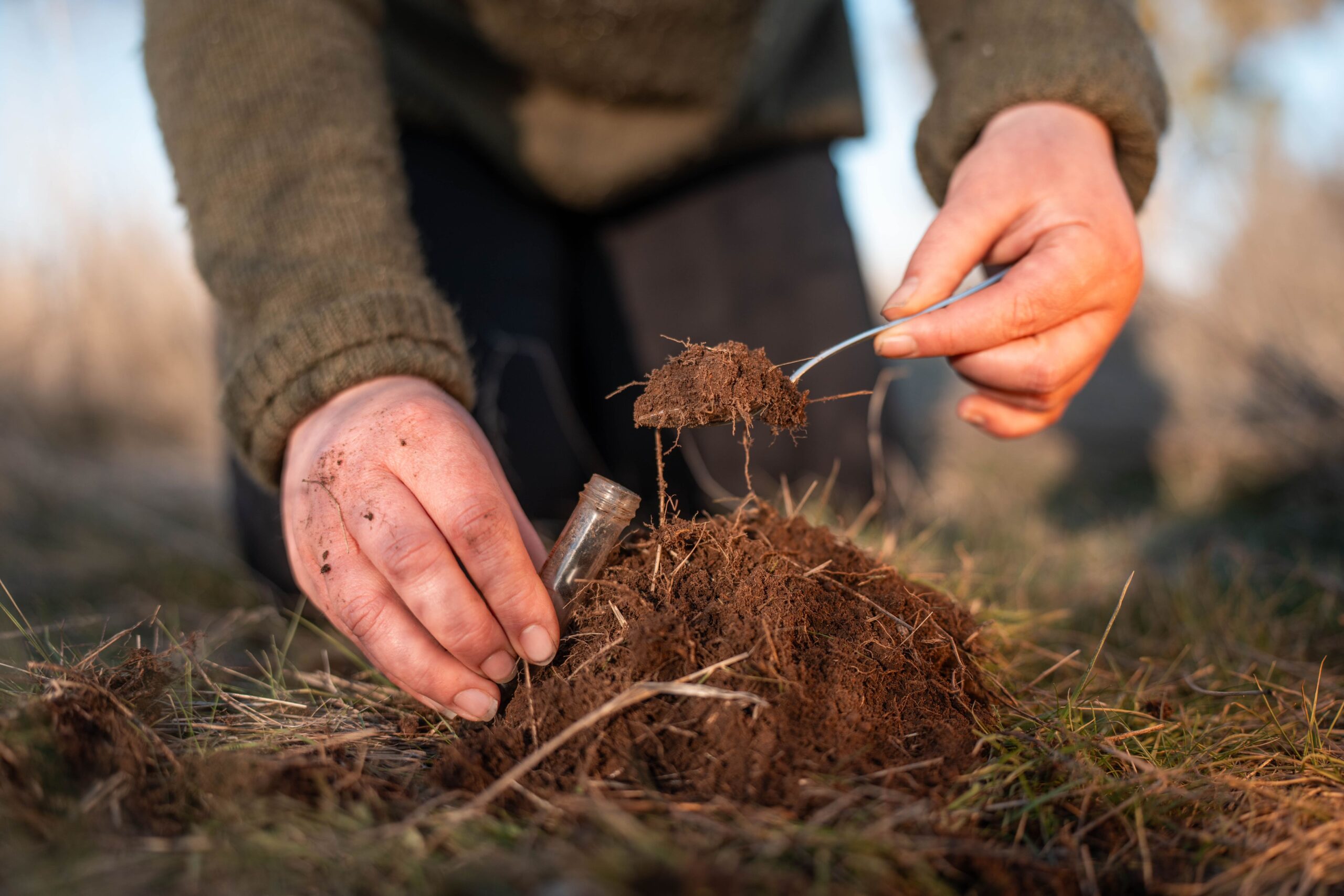
In early 2026, USDA and select state programs launched new pilot programs allowing producers to earn carbon credits for verified soil improvements, signaling broader support for regenerative practices. Concurrently, the first verified soil carbon marketplaces have begun paying farmers for measurable gains in soil organic matter, providing both economic incentives and market validation for carbon-focused management strategies.
Innovations in soil carbon measurement are making these efforts more credible and actionable. New technologies and methodologies, validated for regulatory and market use, allow producers to quantify carbon gains at field scale with greater precision, enabling participation in emerging carbon credit programs and improving management decisions on cover crops, rotations, and organic amendments.
Recent multi-state research trials further demonstrate the potential of regenerative systems to increase soil carbon at commercial scale. Studies indicate measurable gains in soil organic matter over one to three years of targeted crop rotations, cover crop adoption, and reduced tillage, providing data that underpins both policy and market programs.
Enrollment trends in federal conservation programs, including the Conservation Reserve Program, reflect growing interest among farmers in tracking and improving soil health. These trends suggest that a combination of incentives, measurement tools, and research-backed practices is accelerating adoption of regenerative strategies, positioning soil carbon as both an agronomic and economic asset.
Sources: U.S. Department of Agriculture Farm Service Agency, Conservation Reserve Program Data, 2026; U.S. Department of Agriculture Natural Resources Conservation Service, Soil Health Demonstration Trials, 2025; Soil Science Society of America, Recent Advances in Soil Carbon Measurement, 2025; Verra, Verified Soil Carbon Market Pilot Projects, 2026.
Advertisements