UK Farms Work Alongside Insects
By Kendra Morrison
Published: February 21, 2026
Category: The Non-GMO Blog
Advertisements

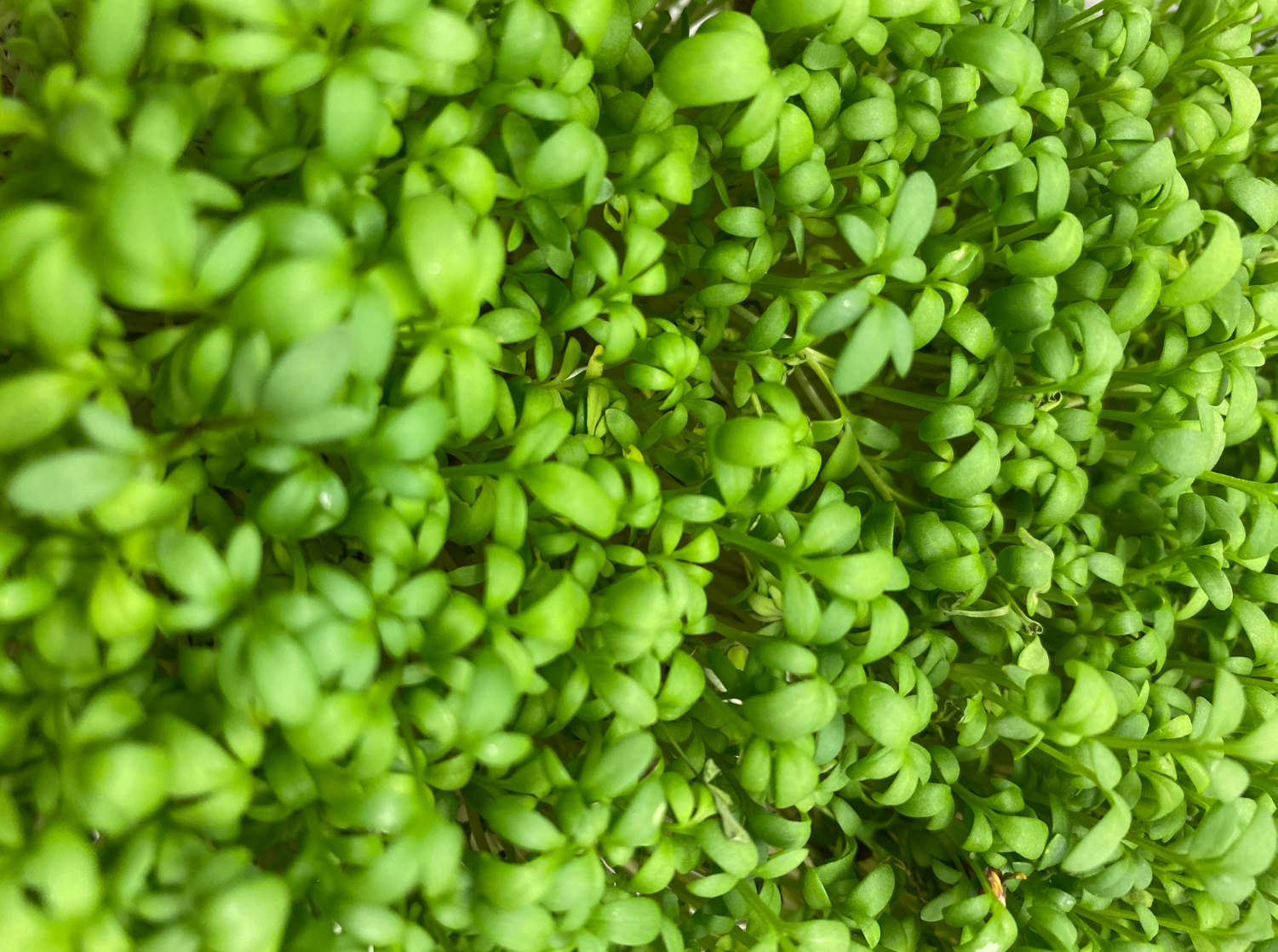
Long-term case study from The Watercress Company demonstrates how pesticide‑free cultivation can support biodiversity without compromising commercial viability. The company has maintained pesticide‑free production across its UK watercress farms for 25 years, creating ecosystems that now support an estimated 1.7 billion insects across 16 hectares of cropping area. This approach has sustained commercial crop quality and yield while fostering on‑farm ecological balance and nutrient cycling.
The insect‑friendly model relies on natural biological processes rather than synthetic chemical inputs, allowing insect populations to perform beneficial ecosystem services such as nutrient recycling, natural pest regulation, and supporting higher trophic species like birds and bats. Independent ecological assessments have documented high species diversity and improved water quality indicators in the farm’s chalk stream habitats, rare ecosystems that are globally significant and sensitive to agricultural runoff.
For agriculture stakeholders, the implications of this long-running example are notable. The Watercress Company’s results suggest that ecological pest and nutrient management strategies can reduce input, enhance environmental outcomes, and align with increasing consumer demand for residue‑free produce. The farm’s specialized equipment and harvest methods that return insects to the field highlight the importance of integrating biodiversity considerations into mechanization decisions.
As UK policy initiatives, such as the National Pollinator Strategy and integrated pest management promotion, aim to address insect decline and food security concerns, real-world models of insect‑friendly agriculture may provide practical pathways for growers interested in regenerative and pesticide‑free systems.
Sources: Happy Eco News, Insect-Friendly Agriculture Helps UK Watercress Farm Thrive; U.K. Government, National Pollinator Strategy Response 2025.
Advertisements