
Here’s the easily digestible truth.
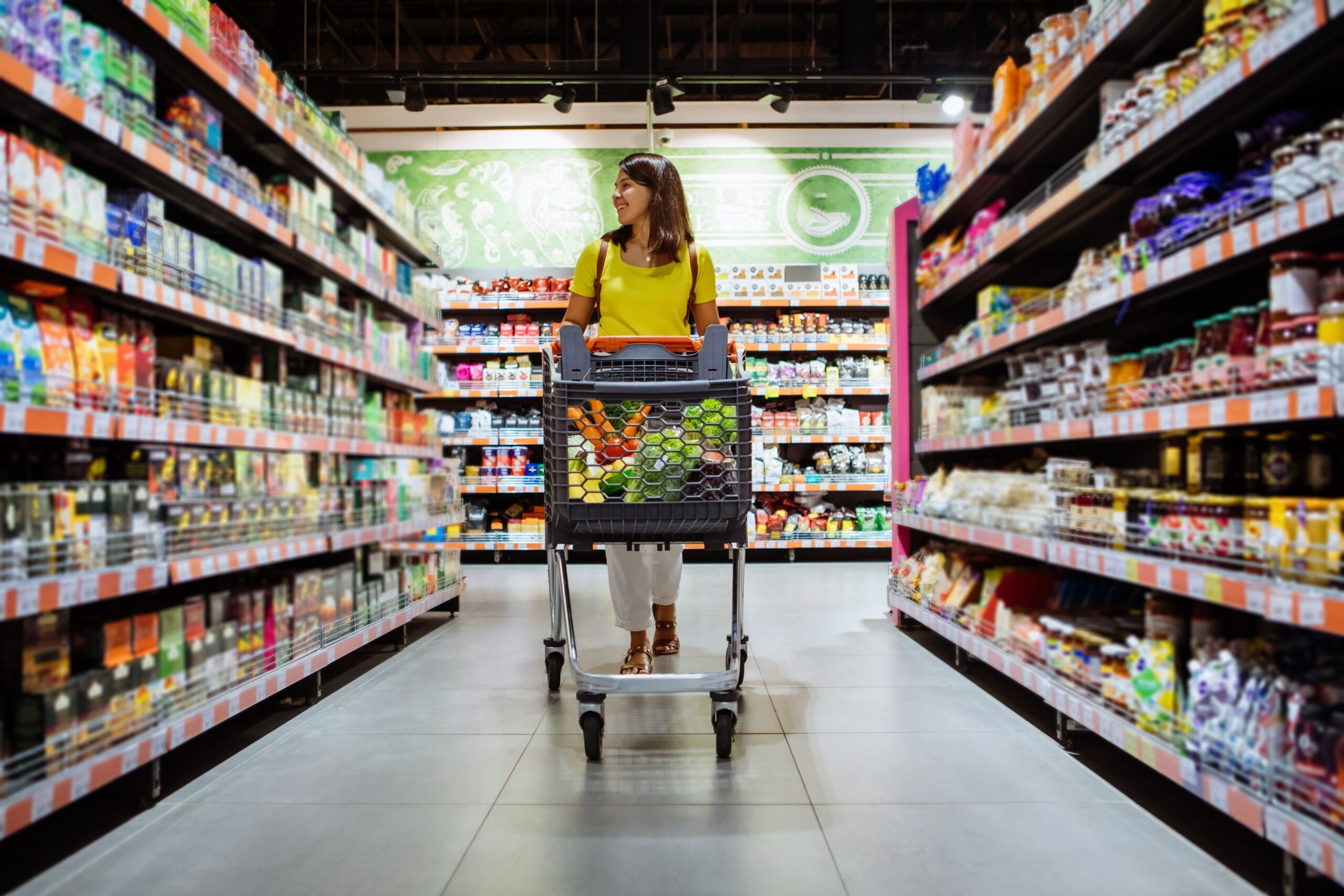
The smell of fresh bread, the chatter of neighbors, and the quiet hum of cash registers. These ordinary grocery moments belie the complexity beneath them. Today, as proposals for public grocery stores crop up across the country, many people assume they represent an entirely new retail model that could create local, organic markets. Meanwhile, others speculate that public groceries will ruin the grocery industry and the economy.
According to agricultural consultant and food-systems strategist Dr. Sarah Taber, the truth is much simpler.
“Grocery stores without the shareholders. That’s all it is.” Taber informs. Their purpose is to provide food at the lowest possible cost for communities that need it most.
Public grocery stores operate on the same model as corporate grocery stores, minus the investors’ expectation of profits. Instead, these stores operate at cost plus a small surcharge to cover operations. Military commissaries are one of the best-known examples of this model in practice. The Defense Commissary Agency runs more than 230 commissaries worldwide, offering groceries to service members and their families at prices that are 25 to 35 percent lower than civilian supermarkets. These stores are not subsidized at the point of sale, but the margin is deliberately minimal, and that makes them different from conventional grocery stores. “If they’re working properly, they’re going to pay for themselves,” clarifies Taber. “You’re just not charging as much of a markup.”
Sarah explains that the concept has often been misinterpreted. People assume that if a grocery store is publicly owned, suddenly organic farmers are going to have new opportunities. But these stores are structured to move volume and serve people who might not have much disposable income for premium products. While public grocery stores may improve access to healthy foods for communities, their model does not automatically expand the reach of small-scale organic producers. Taber explains,” You are just hooking right into the normal mainstream commercial food system.”
The promise of new market opportunities can be alluring, but Sarah cautions against mistaking social equity for market growth. Instead, she encourages organic producers to focus on where the real opportunities lie. Consumers are increasingly seeking products they trust and that match their values. That is where farmers can make a real impact. Understanding demand and building relationships directly with customers is far more effective than waiting for someone else to create a pathway.
“It’s about identifying who values what you’re producing and connecting with them directly.” This approach can include farmers’ markets, community-supported agriculture programs, regional co-ops, and partnerships with retailers committed to stocking local and organic products. However, opportunities also lie in creative innovation, including smaller packaged goods, ready-to-eat options, and subscription services, all of which allow organic products to reach consumers in ways conventional retail often cannot.
This proactive approach extends to education and storytelling. Sharing the story of the farm, explaining sustainable practices, and demonstrating the health and environmental benefits of organic products creates demand. When producers engage directly with consumers and educate them about the value of what they are buying, they are creating a foundation for growth that is independent of larger systemic shifts.
Institutional buyers and ingredient-driven demand from food brands are also emerging opportunities. Hospitals, schools, and meal programs are increasingly prioritizing wellness initiatives and organic sourcing. Meanwhile, food startups often highlight organic or non-GMO ingredients as central to their brand identity. For growers who can provide a consistent, certified supply, these buyers represent a path to growth outside the conventional retail model. Regional branding and localized supply chains provide another avenue. In many areas of the country, organic identity is still developing, and co-ops or collaborative marketing groups can help growers establish visibility and trust with local consumers.
Focusing on market creation through relationships, product innovation, and consumer engagement is far more effective for growers looking to grow their businesses. Whether through regional co-ops, partnerships with CPG brands, direct-to-consumer sales, or innovative product formats, the potential to build meaningful markets remains wide open.
Public grocery stores, while valuable for social equity, are not a shortcut to market expansion. They serve communities that need affordability, and that role is essential. Public grocery stores will neither save nor harm organic producers; they are simply one piece of the larger food system puzzle, ensuring access to affordable food.
Advertisements