
Nutrient Density Leads Food and Beverage Trends for 2027
Nutritional value is becoming a more prominent selling point in food and beverage innovation, with consumers increasingly interested in what products contribute to their diets rather than simply what ingredients they exclude. A new industry forecast identifies nutrient density as the leading food and beverage trend for 2027, creating opportunities for ingredient suppliers and manufacturers focused on protein, fiber, and whole-food nutrition.
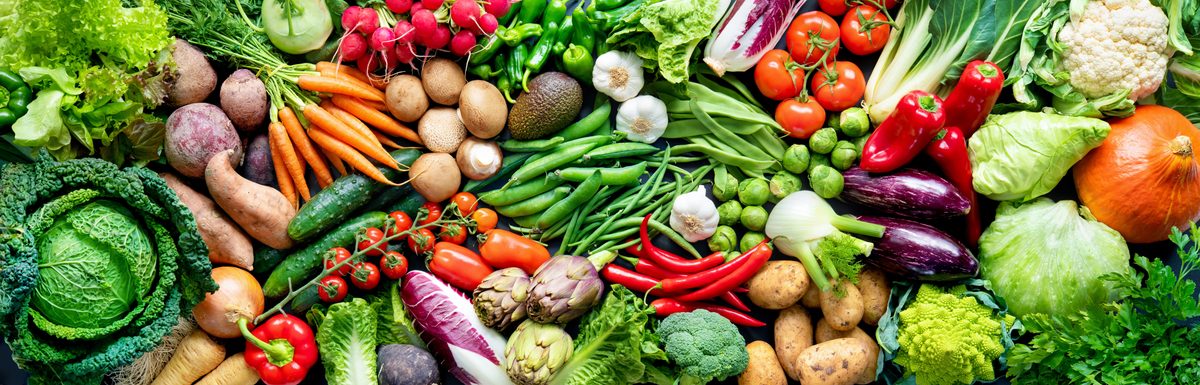
In its October 8, 2026, Top 10 Food and Beverage Trends for 2027 report, Innova Market Insights ranked Nutrient Density Design as its top trend. The research found that 59% of global consumers read all or most of the nutritional information on food packaging, paying particular attention to sugar, protein, and fat. Innova also reported that 36% of surveyed consumers said they were eating more fiber, while 39% said they were eating less sugar.
The findings reflect a broader shift in product development from removing perceived negative ingredients toward increasing nutritional value. According to Lu Ann Williams, co-founder and president of Innova Market Insights, consumers increasingly want to understand what ingredients contribute and how products fit into their nutritional needs. Manufacturers are responding with formulations that combine protein and fiber while communicating nutritional benefits more clearly.
Protein quality is another emerging consideration. Innova ranked Precision Protein as its second-largest trend for 2027, citing consumer interest in protein sources, digestibility, and suitability for specific nutritional needs. Its research found that 36% of global consumers seek high-quality protein, while 29% look for complete proteins.
Other trends identified in the report include fermentation, metabolic health, healthy aging, and sustainable ingredient sourcing. The latter reflects growing interest in how agricultural practices influence food production, with 27% of global consumers saying information about farming practices would increase their trust in a food or beverage product.
The Food and Drug Administration’s updated definition of the voluntary “healthy” nutrient content claim, finalized in 2024, similarly emphasizes foods that contribute to recommended food groups while meeting limits for added sugars, sodium, and saturated fat. The regulatory framework reflects a broader move toward evaluating foods within the context of overall dietary quality rather than relying on isolated nutrient claims.
Sources: Innova Market Insights. 2026. Top 10 Food and Beverage Trends 2027. October 8, 2026.
Gelski, Jeff. 2026. “Nutrient Density Emerges as Top Trend for 2027.” Food Business News, October 13, 2026.
U.S. Food and Drug Administration. 2024. Food Labeling: Nutrient Content Claims; Definition of Term Healthy. Final Rule, December 19, 2024.