
Author name: Surya Zeeb

Peach tree damaged by dicamba herbicide
The Organic & Non-GMO Report Newsletter, Pesticide Hazards

This Is How Badly Monsanto Wants Farmers to Spray Its Problematic Herbicide

In the wake of 2017’s dicamba herbicide drift disaster, which damaged 3.6 million acres of farmland, Monsanto will pay farmers a rebate of $6 per acre to spray its proprietary dicamba formula. The company aims to sell enough GMO dicamba resistant soybean seeds to cover 40 million acres in the U.S. this year. Several states including Arkansas, Missouri, Minnesota, and North Dakota are putting restrictions on the use of dicamba at certain times during the year to prevent the drift problems experienced by many farmers in 2017.
The Organic & Non-GMO Report Newsletter, GMO News

Non-browning apples land in US stores

The controversial genetically modified Arctic Apple is now sold in the U.S. Three varieties—Golden, Granny, and Fuji (with Gala on the way)—were sold for the first time in 10-oz bags, in a dozen American stores this past fall. The GMO apples will not be labeled so consumers will not know they are eating transgenic fruit. There is a Non-GMO Project Verified, non-browning apple called the Opal.

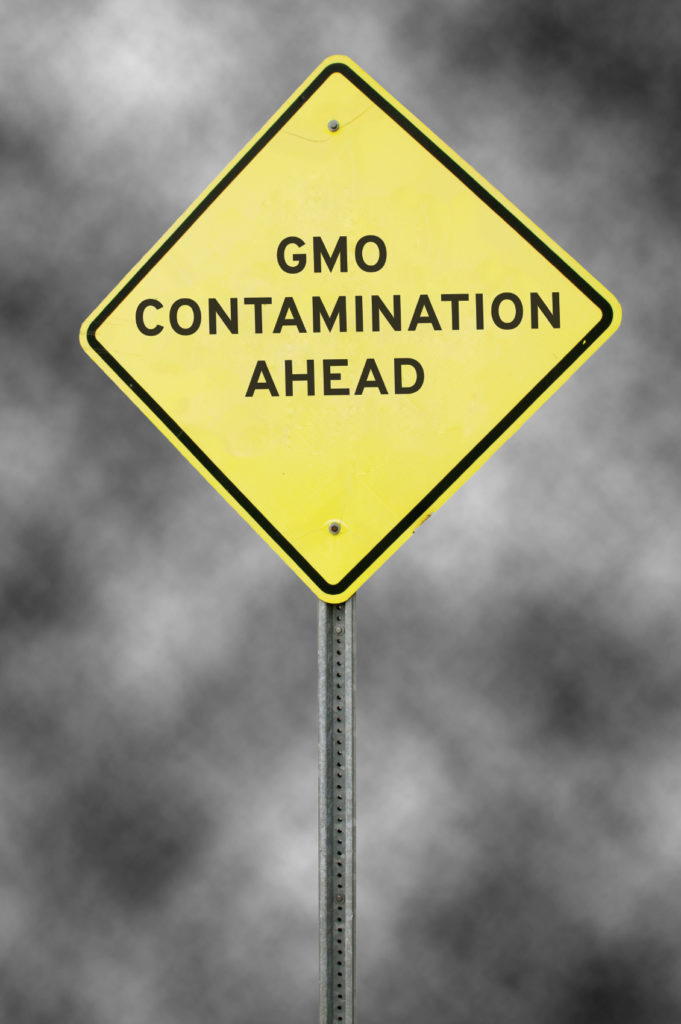
Roadsign warning that there is GMO contamination ahead
The Organic & Non-GMO Report Newsletter, GMO News

GM genes are still getting into native Mexican maize

Genetically modified genes are still getting into native Mexican maize varieties, a new study has found. This is in spite of the fact that the cultivation of GM maize is banned in Mexico, which is the genetic center of origin for the crop. The study also identifies the crucial factors that decide whether or not GMO contamination occurs: the social organization and seed management systems of local communities.

Scroll to Top