
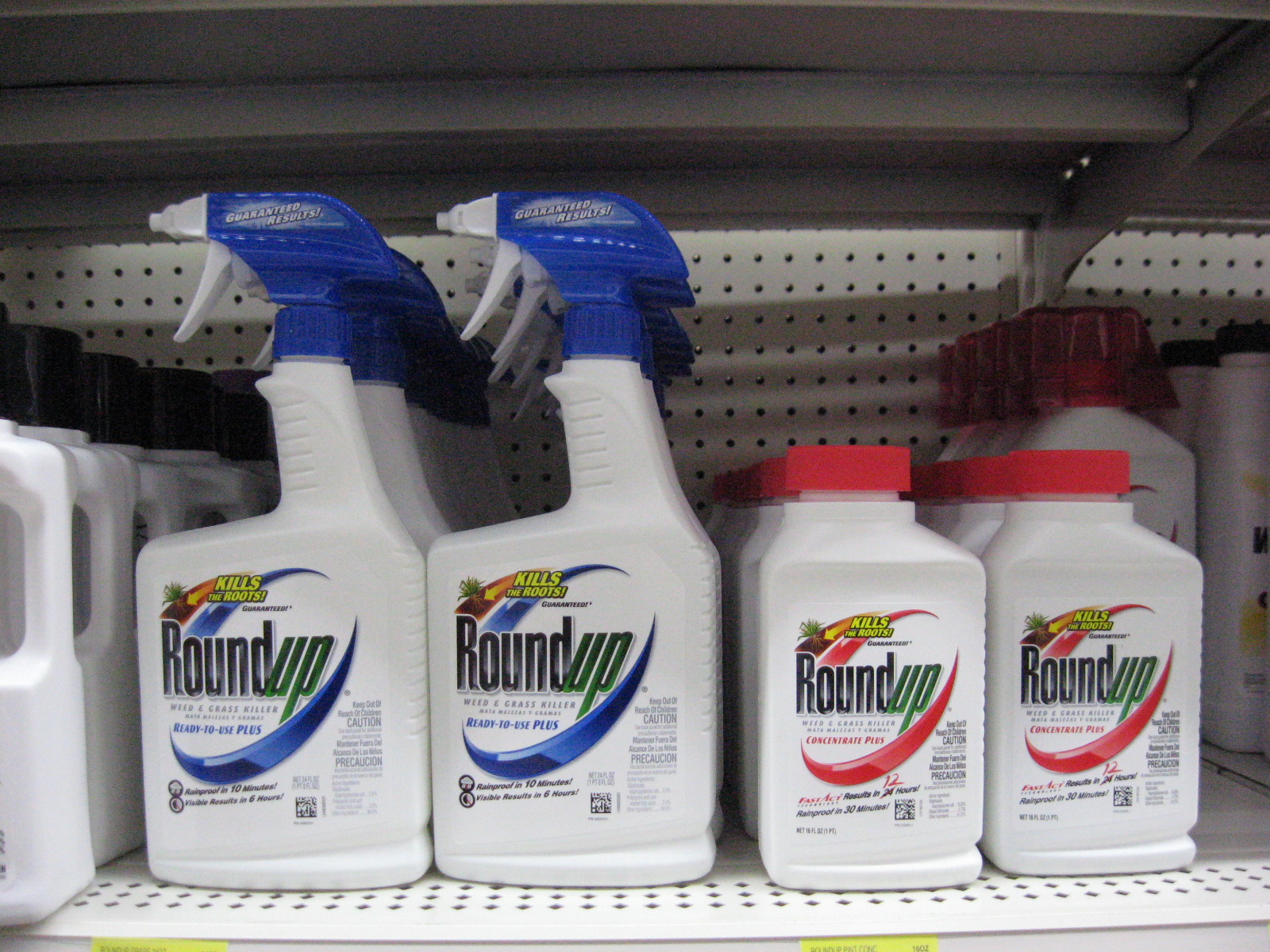
Glyphosate, the main ingredient in Roundup herbicide, is the foundation for 80% of GM crops grown in the world. These GM crops, which include corn, soybeans, cotton, canola, sugar beets, and alfalfa, are genetically engineered to work with glyphosate. About 200 million pounds of glyphosate/Roundup are sprayed each year in the US on these and other crops.
US farmers are spraying so much glyphosate that the US Geological Survey has found traces of it in rain, stream, and air samples in the Midwest.
A recent announcement by the World Health Organization has exposed the underlying toxicity of GMO agriculture. A group of scientists at the agency’s International Agency for Research on Cancer (IARC) classified glyphosate as a “probable carcinogen.”
GMO supporters have claimed that glyphosate is safe. They say that it degrades in the soil, is less toxic than other herbicides, and doesn’t present risks to humans. Some say it is so safe that you can drink it. (Former Greenpeace member, now GMO supporter Patrick Moore claimed this in a recent interview, but when offered a drink of glyphosate, Moore declined, saying: “I’m not stupid.”)
But the IARC’s report has popped that hot air balloon of safety claims.
In recent years, a growing body of published research has documented the negative health and environmental impacts of glyphosate. It has been linked to non-Hodgkin lymphoma, causes irreversible damage to DNA in human cells, damages sperm in rats, increases deadly kidney disease risk, and creates malformations in tadpoles. It is also an endocrine disruptor, and a leading cause for the collapse of monarch butterfly populations. The list goes on.
Recent testing by consumer groups and scientists have found traces of glyphosate in food products, honey, and mothers’ breast milk.
Incredibly the US Department of Agriculture, which tests many foods for residues of different pesticides, doesn’t test for glyphosate residues.
Glyphosate’s carcinogenic status raises greater alarms about the safety of GMO agriculture and foods and adds greater urgency to the need to label such foods.
Glyphosate is up for review this year by the EPA. It’s time the EPA recognized glyphosate’s hazards as the WHO has and for the FDA to require GMO labeling.
Ken Roseboro is editor of The Organic & Non-GMO Report, www.non-gmoreport.com.
I just gave a talk to the Master Gardeners here in vilas County specifying the harms caused by glyphosate. I love your website! Keep up the info…we are spreading it around.
from Eagle River, Wisconsin
kathyanne pera
Thank you Kathyanne!
So outraged by this product and the information that has only recently been revealed. Have walked by recent displays of this product in stores and am in disbelief that it is still being sold! Many years ago I used this product! This is a perfect example how far greed can go to the dark side with no restrictions.
Does anyone know of a safe way for us to dispose of the Roundup that we have purchased?
An alternative to round-up that kills weeds organically is 20% vinegar (can be bought at most Lowes Improvement store). Wait till its sunny (70+ degrees) and wait for 2 hours and you will see the effectiveness of it.
mail it back to Monsanto directly
Tell them to add it to the soda machines in there cafeteria they claim it’s safe enough to drink
I knew this ten years ago. Weeds are way safer.
This is horrible, how are we humans going to survive if we keep adding stuff that is going to kill the enviornment as well as us? Thanks Ken, for this article
One huge problem we still have is with the Non-GMO label, is that they can still be sprayed with Roundup. The makers thereof, as well as those turning a blind eye for compensation should all be arrested and prosecuted for crimes against humanity.
Ken,When are farmers going to learn how to farm?They use Glyphosate to dessicare plants at the end of the harvest. So people think they are eating organic and they are eating glyphosate.. Is there any group trying to get them to change their ways. Do farners need to take a course in how to farm safelybefore they are allowed to farm? Thanks, Martin.