
Non-GMO Project Adds Sugarcane to High Risk List
Sugarcane is set to become a high risk crop under the Non-GMO Project Standard as the organization updates its requirements to address the expanding use of biotechnology in sugarcane and other ingredients. Version 17 of the Non-GMO Project Standard, published October 1, adds sugarcane to its Non-Testable High Risk List, with the new requirements taking effect December 1, 2028.
The change reflects the commercial availability of genetically modified sugarcane and the potential for commingling within global supply chains. Brazil approved the world’s first genetically modified sugarcane for commercial cultivation in 2017. Several additional insect resistant varieties have since been approved, although commercial deployment of Bt sugarcane remains limited compared with major biotech crops such as corn and soybeans.
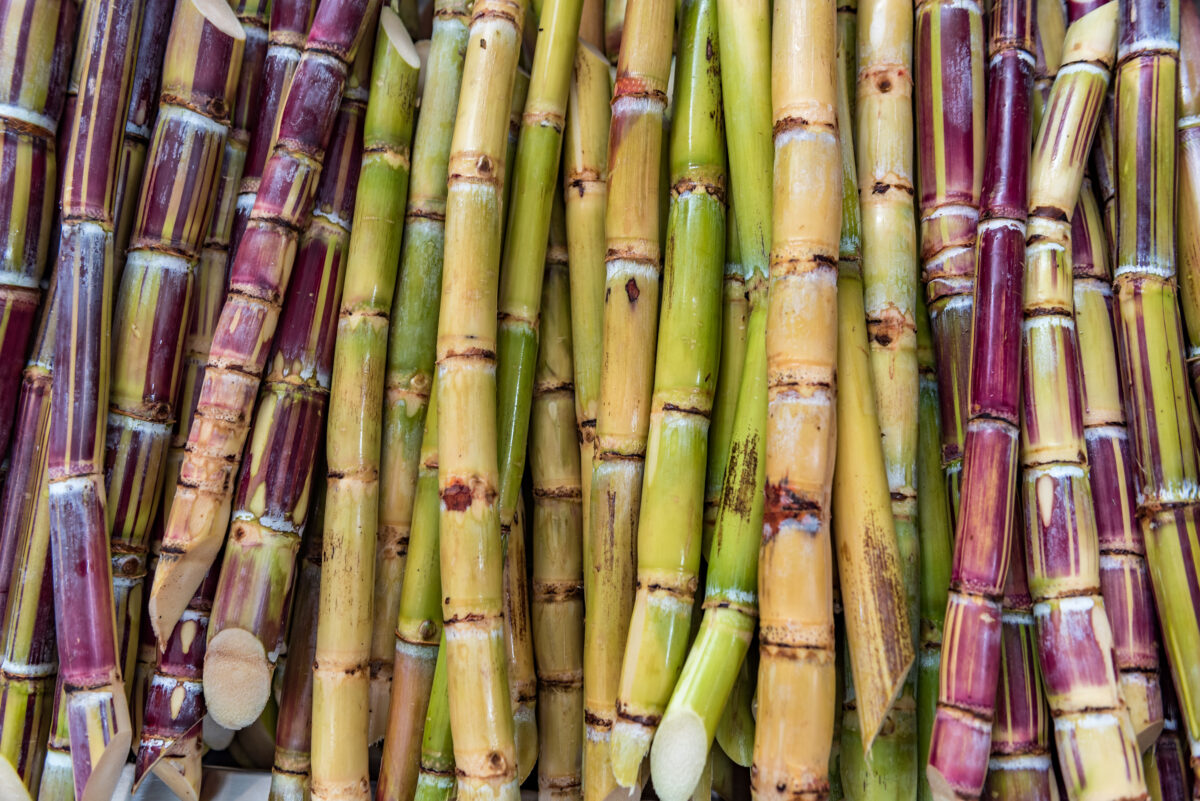
The biotechnology landscape is also becoming more complex. In 2021, Brazil’s National Biosafety Technical Commission approved two gene edited sugarcane cultivars developed by Embrapa Agroenergia. Cana Flex I was developed for improved cell wall digestibility, while Cana Flex II was developed for increased sucrose content. The cultivars were classified as non-transgenic under Brazil’s regulatory framework, illustrating an important distinction between gene editing and transgenic modification that can vary among regulatory systems and private verification programs.
Version 17 expands the Non-GMO Project’s treatment of biotechnology beyond conventional transgenic techniques. The revised Standard addresses gene editing methods including CRISPR, synthetic biology, precision fermentation, plant molecular farming and cell-free production systems. It also establishes requirements concerning certain biological compounds produced through biotechnology and organisms exposed to heavy ion beam radiation.
For sugarcane, the classification is particularly relevant because sugar is a highly processed commodity for which conventional testing cannot reliably establish whether the original cane was genetically modified. Under the new requirements, sugarcane derived ingredients will therefore need to meet documentation and sourcing requirements applicable to Non-Testable High Risk materials.
The Standard’s revision follows two public comment periods, additional research and consultation, and review by the organization’s Standards Committee. The Non-GMO Project reported that no objections to the proposed sugarcane classification were identified in the second public comment period.
The transition period gives suppliers and brands until the 2028 implementation date to establish documentation and sourcing practices consistent with the new requirements. The change also illustrates how developments in crop biotechnology can affect verification systems even when genetic material may not be detectable in the finished ingredient.
Sources:
Non-GMO Project. (2026) The Non-GMO Project Standard, Version 17. Non-GMO Project.
Non-GMO Project. (2026) 2025 General Standard Revision: Feedback and Outcomes. Non-GMO Project.
Cheavegatti-Gianotto A, de Abreu H, Arraes F, et al. (2018) Transgenic sugarcane harboring cry1Ab and nptII genes: characterization and evaluation of agronomic performance. Frontiers in Bioengineering and Biotechnology.
Brant EJ, et al. (2024) Sugarcane breeding in the genomic era: integrative strategies and emerging technologies. Frontiers in Plant Science.
Brasil, Comissão Técnica Nacional de Biossegurança. (2021) Decisão Técnica sobre Cana Flex I e Cana Flex II. CTNBio, Ministério da Ciência, Tecnologia e Inovações.