
Strong El Niño Raises Weather Risks for Agriculture Heading Into 2027
An unusually strong El Niño developing in the Pacific Ocean is drawing attention from agricultural producers and commodity markets as changing weather patterns could affect harvest conditions, water availability, and crop production across several major growing regions.
The National Oceanic and Atmospheric Administration’s (NOAA) October 8, 2026, ENSO Diagnostic Discussion reported that El Niño was continuing to strengthen, with an 83% or greater probability of strong-to-very-strong conditions persisting through January–March 2027. The developing event could rank among the strongest recorded since 1950.
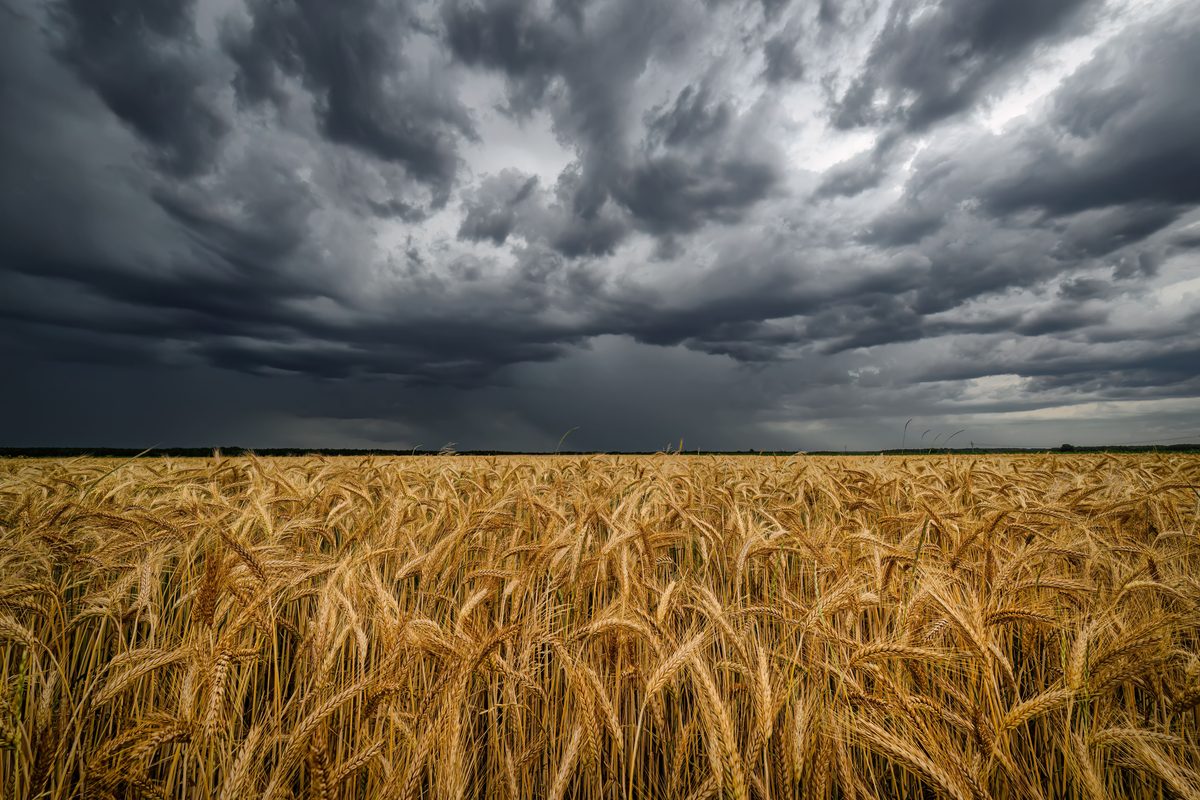
El Niño occurs when sea surface temperatures in the central and eastern equatorial Pacific become warmer than average, influencing atmospheric circulation and shifting rainfall and temperature patterns around the world. Its effects vary by region and season, making localized forecasts essential for agricultural planning.
In the United States, one area of concern is the Midwest harvest. Nutrien atmospheric scientists reported that growers in parts of the region have historically experienced approximately eight fewer workable harvest days during El Niño years, compared with an average harvest window of about 40 days. Wetter fall conditions can delay fieldwork, increase pressure to harvest during favorable weather, and complicate grain transportation.
NOAA’s October 15 winter outlook projects above-average temperatures across much of the northern United States, including the Midwest, and favors wetter-than-average conditions across the southern United States and East Coast. However, precipitation projections vary across the Midwest, and the outlook does not establish that every agricultural region will experience wetter conditions.
Internationally, potential agricultural risks include reduced rainfall across parts of Southern Africa, Australia, and Southeast Asia. The Food and Agriculture Organization (FAO) has identified these regions among areas vulnerable to El Niño-related agricultural drought, with potential consequences for crops, pasture, and water supplies. In South and Southeast Asia, rainfall disruptions could affect rice and maize production.
El Niño is not a precise predictor of individual weather events. Other atmospheric conditions, regional climate patterns, and existing drought conditions also influence outcomes. Monitoring updated seasonal forecasts alongside local conditions will be important as growers and supply chain participants prepare for the 2027 production season.
Sources: National Oceanic and Atmospheric Administration, Climate Prediction Center. 2026. ENSO Diagnostic Discussion. October 8, 2026.National Oceanic and Atmospheric Administration. 2026. El Niño Looms Large Over U.S. Winter Outlook. October 15, 2026Food and Agriculture Organization of the United Nations. 2026. El Niño Is Coming. Here Is Where the Risks to Agriculture Are Highest. June 22, 2026.Nutrien. 2026. Why Agriculture Is Paying Attention to El Niño. September 15, 2026.