
NIEHS Review Finds Associations Between Glyphosate-Based Herbicides and Blood Cancers
A systematic review by scientists at the National Institute of Environmental Health Sciences (NIEHS) reports evidence of associations between exposure to glyphosate-based herbicides and several blood and lymphatic cancers, including non-Hodgkin lymphoma (NHL). The review, released November 20 as a preprint, has not yet undergone peer review and adds to ongoing scientific disagreement over glyphosate’s cancer risks.
The review, conducted by the NIEHS Report on Carcinogens group at the request of the U.S. Department of Health and Human Services, evaluated epidemiological research on glyphosate-based herbicides, which include glyphosate and other formulation ingredients. Researchers screened more than 800 publications and assessed eight studies covering multiple populations and cancer types. The team reported “some evidence” of associations for NHL overall, B-cell lymphomas, diffuse large B-cell lymphoma and follicular lymphoma. Findings for multiple myeloma, Hodgkin lymphoma, chronic lymphocytic leukemia and T-cell lymphoma were considered inconclusive.
The authors identified positive associations across included studies, although results varied by cancer type, exposure measure and study population. Among findings highlighted in the review, a Swedish pooled case-control study reported an odds ratio of 2.2 for NHL among exposed participants, while the AGRICOH consortium reported a 36% higher risk of diffuse large B-cell lymphoma associated with ever-exposure. The authors also examined differences in pooled analyses, including how individual study results influenced overall estimates.
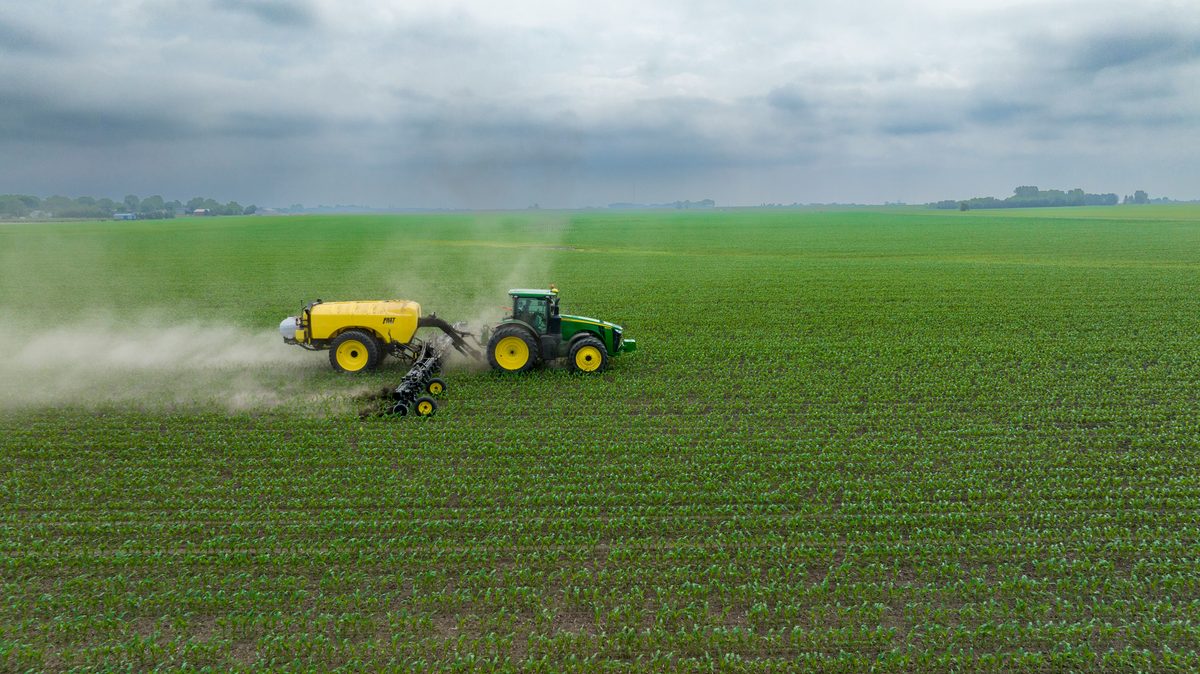
Glyphosate is one of the most widely used herbicides in U.S. agriculture. EPA data indicate approximately 280 million pounds were applied annually in agricultural settings between 2012 and 2018. Occupational exposure can occur through skin contact or inhalation during application, while the general population may be exposed through food, water and environmental residues.
The cancer debate has persisted for years. In 2015, the International Agency for Research on Cancer classified glyphosate as “probably carcinogenic to humans,” based on limited evidence in humans and sufficient evidence in experimental animals. EPA has historically concluded glyphosate is not likely to be carcinogenic to humans, although the agency is now updating its human health assessment and cancer evaluation.
The NIEHS review evaluates epidemiological evidence of association, not proof that exposure causes cancer in individuals. Its findings are expected to add to the scientific and regulatory debate as EPA continues its review of glyphosate, including consideration of occupational, dietary and environmental exposure.
Sources:
Quraishi, Sabah M., Whitney Arroyave, Bevin Blake, Ezazul Haque, Matthew Urich, Suril Mehta and Ruth Lunn. 2026. “Evaluating Evidence of Glyphosate-Based Herbicides and Lymphohematopoietic Cancers from Epidemiologic Studies: A Systematic Review.” Preprint, November 20. DOI: 10.5281/zenodo.24372545.
International Agency for Research on Cancer. 2015. “IARC Monographs Volume 112: Evaluation of Five Organophosphate Insecticides and Herbicides.” World Health Organization.
U.S. Environmental Protection Agency. 2026. “EPA Releases Glyphosate Human Health Open Literature Search Document for Public Feedback.” August 25.
National Institute of Environmental Health Sciences. “Glyphosate and Glyphosate-Based Herbicide Exposures and Potential Health Effects.”