
Peer Learning to Advance Conservation Practices
As farmers evaluate new approaches to soil health, water management, and regenerative agriculture, farmer led learning networks are becoming an increasingly important pathway for sharing practical knowledge and reducing the risks associated with changing production systems.
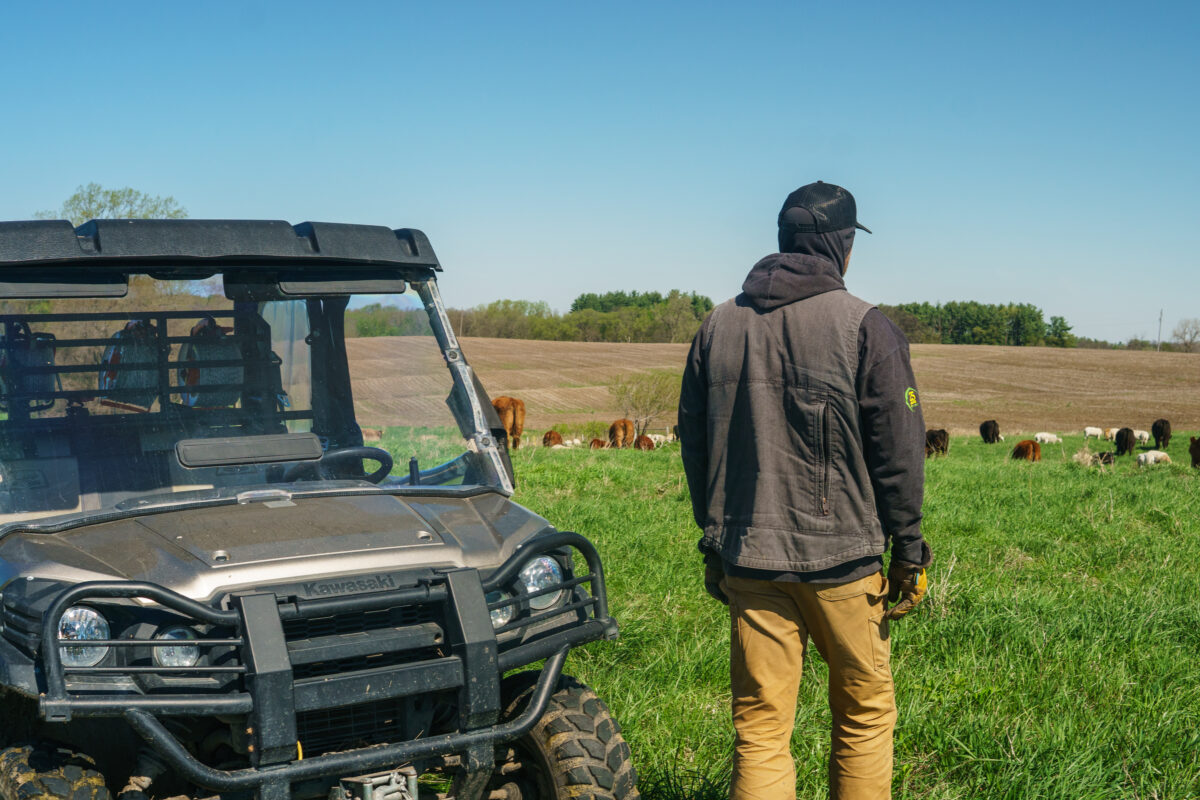
Across the Corn Belt, groups of producers are organizing field days, discussion groups, and mentorship networks where farmers can share experiences with conservation practices such as no till, cover crops, and other soil health strategies. In northwest Illinois, the Jo Daviess County Soil and Water Health Coalition has brought farmers together to demonstrate practices on working farms and encourage peer to peer learning.
The farmer led model is based on the idea that producers are more likely to adopt new practices when they can evaluate results from other farmers facing similar soil types, weather conditions, and economic challenges. Rather than relying solely on recommendations from institutions or outside experts, these networks allow farmers to compare outcomes and adapt practices to their own operations.
Similar efforts are expanding throughout the Midwest. In Wisconsin, no till dairy farmer Tony Peirick has used farmer networks to share decades of experience with no till systems and cover crops. Peirick, who operates a 200 cow dairy and farms approximately 1,100 acres with family members, participates in farmer led groups focused on advancing conservation practices through meetings, field days, and mentorship.
Supporters of farmer led education say the approach can help reduce barriers to conservation adoption by allowing producers to learn from real world examples. Research and field experience have shown that practices such as reduced tillage and cover crops can contribute to improved soil structure, reduced erosion, and improved water management, although results depend heavily on regional conditions and management decisions.
Farmer networks also provide a valuable source of practical knowledge as growers navigate complex production decisions, including weed management, soil fertility, and transition strategies. As interest in conservation agriculture continues to grow, peer based learning models may play a larger role in helping farmers evaluate which practices fit their individual operations.
Sources: Savage J, (2026), “How a grassroots program is helping farmers teach each other regenerative ag practices,” Harvest Public Media / KCUR. Vogel M. (2026), “No-Tilling it Forward: Farmer-Led Learning Fuels Dairy Farmer,” No-Till Farmer. U.S. Department of Agriculture Natural Resources Conservation Service, (2024), Conservation Practices and Soil Health Principles.