
Screwworm Resurgence Highlights Regional Biosecurity
The reappearance of New World screwworm in the United States after decades of eradication has renewed attention on the importance of coordinated animal health surveillance, cross border biosecurity, and sustained investment in pest control infrastructure.
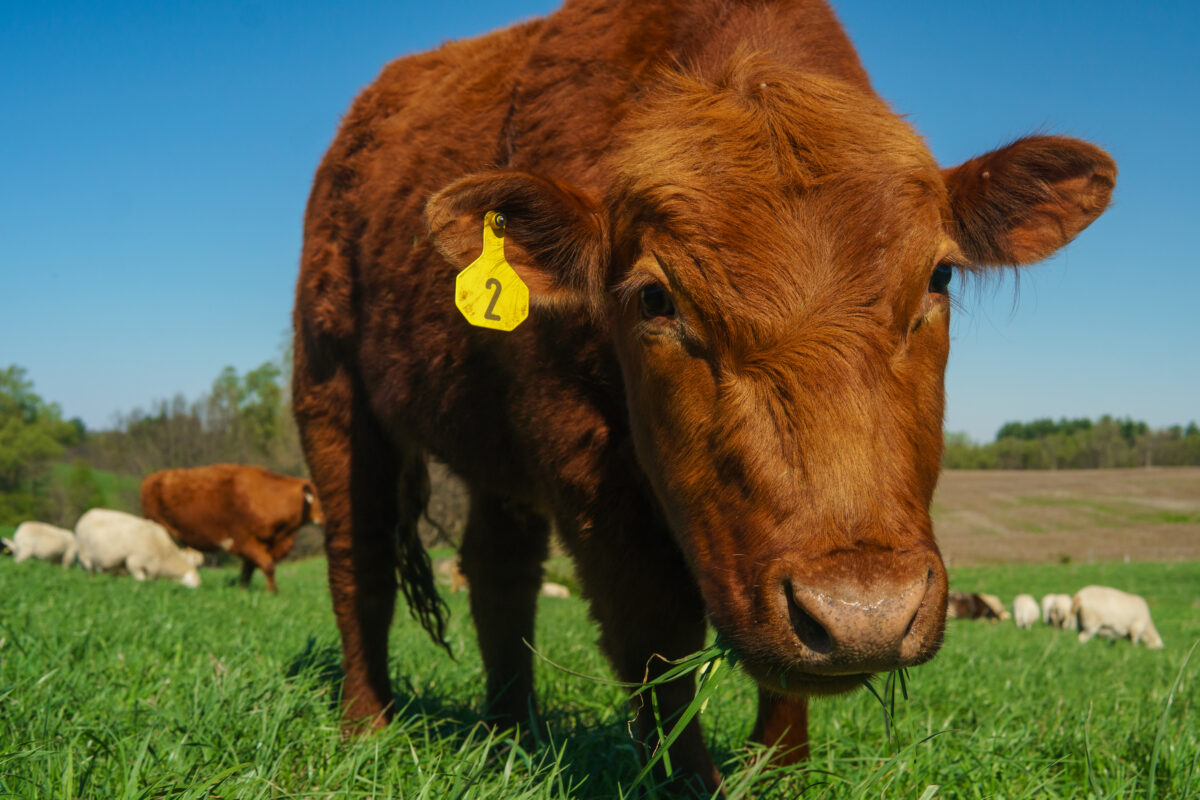
On June 3, the U.S. Department of Agriculture confirmed the first domestic case of New World screwworm in more than 60 years in a calf in Zavala County, Texas. Additional cases have since been identified in livestock, pets, and wildlife in Texas and neighboring states, prompting federal and state agencies to expand surveillance, quarantine measures, and sterile fly releases.
New World screwworm, Cochliomyia hominivorax, is a parasitic fly whose larvae feed on the living tissue of warm blooded animals. Unlike most fly larvae that consume dead tissue, screwworm infestations can cause severe injury or death if left untreated. The pest was eradicated from the United States in 1966 through the sterile insect technique, which suppresses populations by releasing sterilized male flies that cannot produce offspring.
According to USDA and public health officials, the current outbreak originated in Central America, where screwworm populations expanded northward after breaching the long standing biological barrier maintained in Panama. Since 2023, infestations have spread through several Central American countries before reaching southern Mexico and eventually Texas. Experts point to a combination of livestock movement, wildlife hosts, and the challenges of maintaining regional surveillance across international borders as key factors behind the northward spread.
Federal officials have emphasized that the outbreak is not a food safety issue, but it poses a significant economic risk to livestock production if left unchecked. USDA has responded by increasing surveillance, restricting animal movements in affected areas, supporting expanded sterile fly production in Mexico, and planning a new sterile fly production facility in Texas to strengthen long term response capacity.
The resurgence serves as a reminder that animal disease prevention depends on sustained international cooperation. While the sterile insect technique has proven effective in previous eradication efforts, experts note that continued monitoring, rapid detection, and coordinated regional management will be essential to preventing the pest from becoming reestablished in North America.
Sources: U.S. Department of Agriculture Animal and Plant Health Inspection Service, USDA Confirms Presence of New World Screwworm in the United States, June 3, 2026. U.S. Department of Agriculture Animal and Plant Health Inspection Service, Current Status of New World Screwworm, July 2026. Centers for Disease Control and Prevention, New World Screwworm Outbreak Situation Summary, June 30, 2026. U.S. Department of Agriculture Animal and Plant Health Inspection Service, New World Screwworm Prevention for Animals, 2026.