
Natural Food Brands Changing the Model
A growing number of natural food companies are moving beyond product innovation to address challenges throughout the food supply chain, including ingredient sourcing, agricultural practices, farmer relationships, and consumer transparency. As the natural products sector expands, emerging brands are increasingly building business models around traceable supply chains and measurable environmental and social outcomes.
The shift reflects a broader movement within the food industry toward regenerative agriculture, specialty ingredients, and sourcing practices designed to strengthen connections between farmers, brands, and consumers. Industry observers note that while consumer interest in sustainability continues to grow, companies face increasing pressure to demonstrate that environmental claims are supported by credible sourcing practices and measurable results. The FAIRR Initiative’s 2026 assessment of regenerative agriculture programs highlighted that many companies are increasing commitments but still face challenges in establishing consistent measurement and reporting standards.
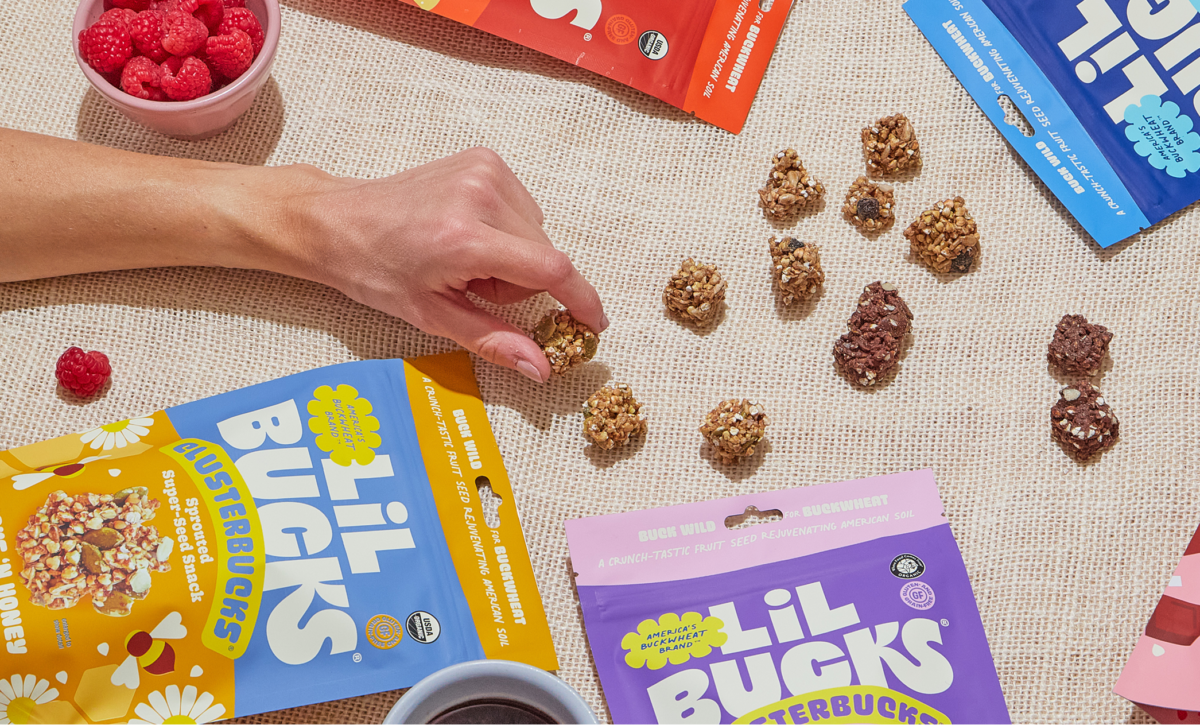
One example is Lil Bucks, a brand built around sprouted buckwheat products. The company has used buckwheat as a platform to connect consumer packaged goods with agricultural practices, developing a supply chain centered on regenerative organic certified buckwheat. The company works directly with U.S. farmers growing buckwheat through practices such as cover cropping, biodiversity, and reduced tillage, positioning the ingredient as both a nutritional product and an agricultural opportunity.
Buckwheat has gained attention among regenerative agriculture advocates because of its role as a cover crop that can support soil health, suppress weeds, and diversify crop rotations. The Regenerative Organic Alliance has highlighted growing demand for regenerative organic buckwheat ingredients as brands seek supply chains aligned with soil health, farmer livelihoods, and organic production principles.
Other natural food companies are similarly focusing on issues beyond the finished product, including reducing waste, improving ingredient traceability, and creating closer relationships with producers. This approach reflects a broader industry shift in which sourcing practices are becoming part of a brand’s value proposition rather than simply a procurement decision.
Developing specialty ingredient supply chains often requires long term investment, producer coordination, additional verification, and higher costs compared with conventional sourcing systems. Companies must balance mission driven goals with the economic realities of production, distribution, and retail competition.
The expansion of natural food brands suggests that future market growth will depend not only on product innovation, but also on the ability to build resilient, transparent supply chains that create value from farm to consumer.
Sources: Curtis, Lisa, “How Natural Food Brands Are Challenging A Broken Food System,” Forbes, March 27, 2026. FAIRR Initiative, “World’s Biggest Food Companies Are Putting Regenerative Agriculture Into Action, But What Is Being Deployed Fails to Meet the Hype,” June 2026. Regenerative Organic Alliance, “Pre-milled or milled ROC Buckwheat,” 2023.