
The Risks and Rewards of Replacing Synthetic Colors
As manufacturers respond to consumer demand for simpler ingredient lists and products without synthetic dyes, they are investing in natural alternatives that may help retain existing customers, reach new markets and differentiate products. However, making the transition at a commercial scale requires more than replacing one ingredient with another.
Natural colors can respond differently to heat, pH and light, and their performance varies by application. A color that works in a beverage may not hold up in a baked product or confection. Reformulation can require adjustments to ingredient levels, processing conditions, packaging or storage, followed by testing under actual production conditions. Even then, the final product may not match the intensity or stability of its synthetic-color predecessor.
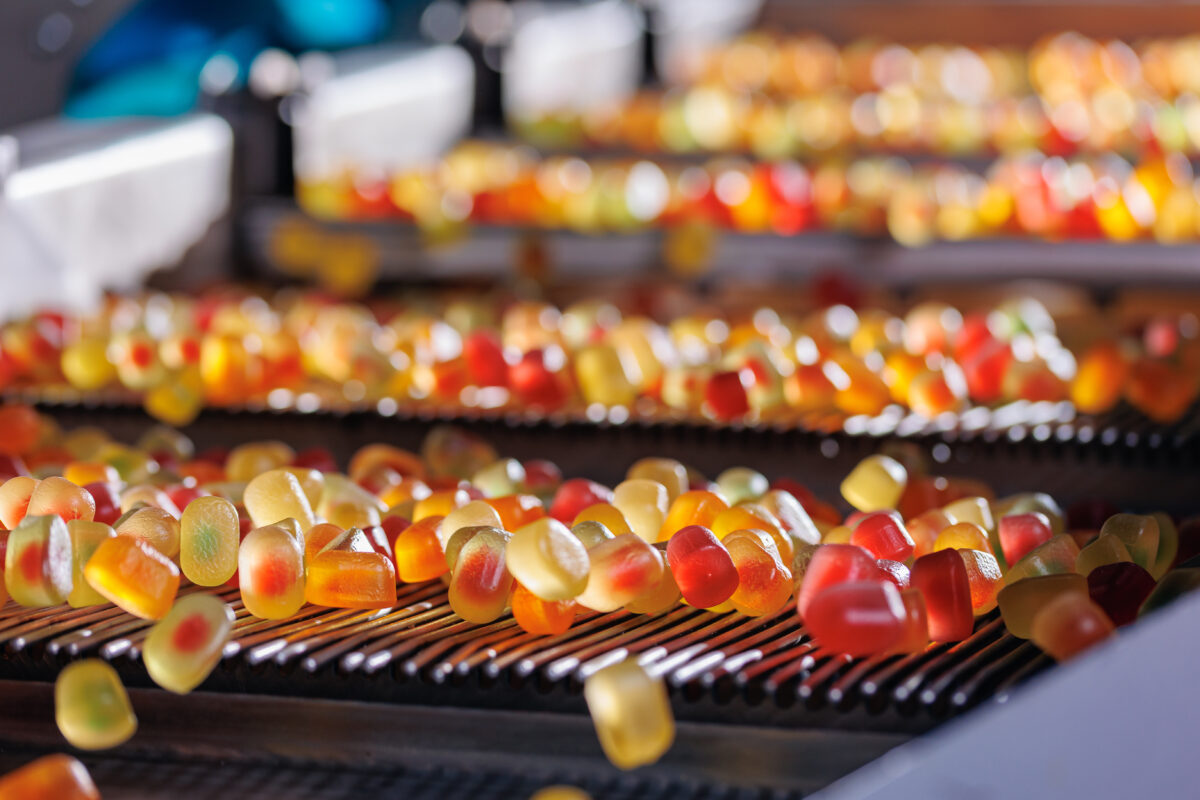
Those technical demands create risk, but they can also encourage product innovation. Processors that develop reliable formulations may be better positioned to serve customers seeking alternatives to synthetic dyes. The transition may also prompt companies to reconsider product appearance and determine whether a different shade or formulation can meet consumer expectations while improving ingredient positioning.
Many natural colors depend on agricultural crops, exposing availability and quality to growing conditions and harvest variability. A July 2026 report commissioned by the National Confectioners Association and conducted by RTI International warned that a rapid industry-wide shift could strain agricultural production and color-processing capacity. Its projections are modeled scenarios, not a guarantee of shortages, but they underscore the importance of coordinating with suppliers early.
The business case will vary by product and market. Reformulation can add development costs, require new supplier relationships and create uncertainty about whether consumers will accept changes in appearance or price. At the same time, processors that invest early may gain experience, establish supply relationships and open opportunities with brands and retailers seeking products without synthetic colors.
Sources:
National Confectioners Association and RTI International. 2026. Report on the challenges of phasing out synthetic food dyes.
Nicole Schlosser. 2026. “Food Makers Navigate Challenges in Natural Colors Shift.” Powder & Bulk Solids, August 5.