
GMO Traits Found in Wild Cotton Beyond Authorized Areas in Mexico
Genetically modified traits are persisting in wild cotton populations in Mexico, where researchers have found evidence of gene flow, genetic changes across generations and differences in ecological interactions. The findings add to research examining the long-term environmental implications of genetically modified crops in centers of origin, where cultivated varieties can interbreed with wild relatives.
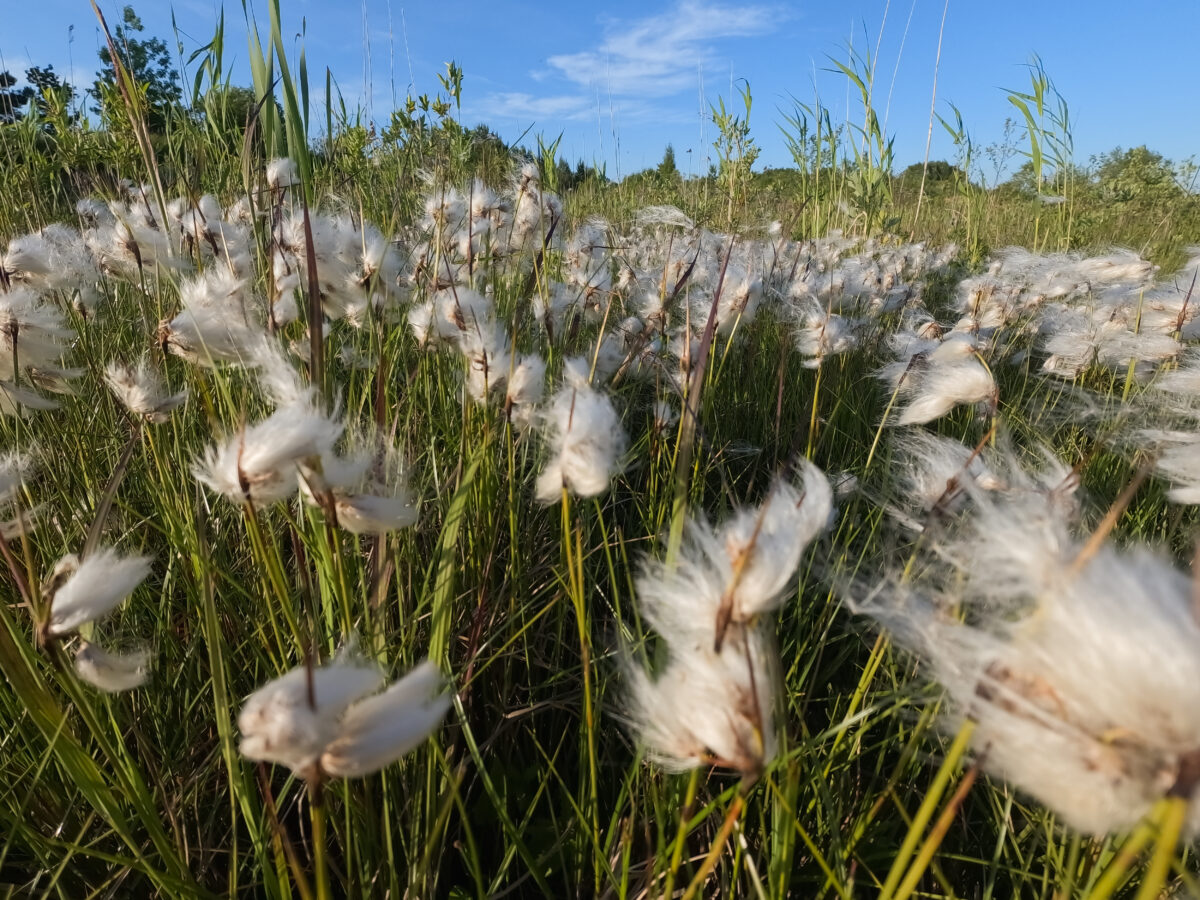
A study published September 15 in Environmental Pollution examined 72 wild cotton plants (Gossypium hirsutum) collected from two sites on Mexico’s Yucatán Peninsula. Researchers found that 47.2% carried at least one transgene, including cp4-epsps, which confers glyphosate tolerance, and cry genes associated with insect resistance. Transgenes were detected outside authorized GM cotton release areas.
Researchers also identified the isolated presence of cry2Ab, a gene used in commercial insect-resistant cotton. Its detection apart from its original genetic combination suggests introduced traits can segregate and recombine after entering wild populations.
The findings build on earlier research. A 2011 study in Molecular Ecology detected transgenes in four of eight wild cotton metapopulations examined. In 2021, researchers reported associations between transgene expression and changes in extrafloral nectar production, ant communities and herbivore damage, including increased damage on plants carrying the glyphosate-tolerance gene.
The 2026 study also found significantly different ant abundance between plants carrying transgenes and those without them. Species richness, however, did not differ significantly, and the observational findings do not establish that transgenes alone caused the changes.
Since cultivated and wild upland cotton belong to the same species, they can interbreed, allowing introduced traits to persist across generations. Mexico is an important center of origin and diversity for cotton, making the conservation of its wild relatives relevant to agricultural biodiversity.
Sources:
Vázquez-Barrios, Valeria, Ian A.E. Butler, Patricia Rojas, and Ana Wegier. 2026. “Transgene Introgression into Wild Cotton Populations Generates Long-Term Genetic and Ecological Effects in a Center of Origin.” Environmental Pollution 405:128502. DOI: 10.1016/j.envpol.2026.128502.
Vázquez-Barrios, Valeria, Karina Boege, Tania Gabriela Sosa-Fuentes, Patricia Rojas, and Ana Wegier. 2021. “Ongoing Ecological and Evolutionary Consequences by the Presence of Transgenes in a Wild Cotton Population.” Scientific Reports 11:1959. DOI: 10.1038/s41598-021-81567-z.
Wegier, Ana, et al. 2011. “Recent Long-Distance Transgene Flow into Wild Populations Conforms to Historical Patterns of Gene Flow in Cotton (Gossypium hirsutum) at Its Centre of Origin.” Molecular Ecology 20(19):4182–4194. DOI: 10.1111/j.1365-294X.2011.05258.x.