
Regenerative Certification Grows, but Financial Returns for Farmers Remain Uncertain
Regenerative agriculture is gaining visibility across food supply chains, but the financial benefits of certification for farmers remain uncertain. While food companies increasingly seek verified regenerative sourcing, growers are not consistently receiving higher prices to offset certification costs and additional requirements.
A September 2 report by Ag Alert examined the issue through California farmers and industry representatives, finding that certification can create market opportunities without necessarily delivering a price premium. Kelly Damewood, CEO of California Certified Organic Farmers (CCOF), said there is no broad market premium for regenerative products, leaving growers uncertain about their return on investment.
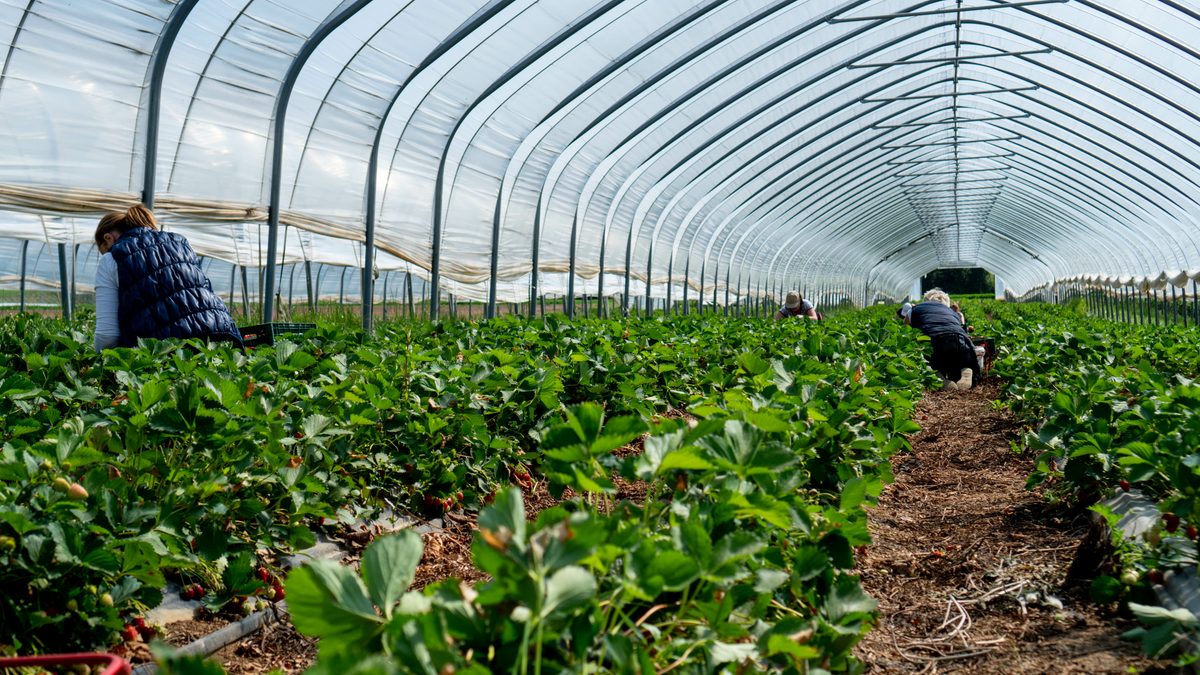
For some farms, certification has helped secure sales. Brian Park of Park Farming Organics in Sutter County, California, said his farm pursued certification at buyers’ request. Although it has not generally earned higher prices, it helped the farm secure contracts supplying a processor’s Regenerative Organic Certified tomato products.
Other producers have declined certification. Straus Family Creamery, whose supplying dairies already use regenerative practices, cited certification costs, administrative burdens and uncertainty about whether consumers would pay more.
Research firm SPINS reported that retail sales of Regenerative Organic Certified products increased 22% in 2025. However, retailer sourcing commitments and corporate environmental goals may be contributing to growth, rather than consumer demand alone.
A 2025 Congressional Research Service report noted that private organizations and companies have developed differing regenerative standards, creating uncertainty for producers, consumers and businesses evaluating claims.
Some farmers report savings from regenerative practices themselves. Merced County almond grower Rosie Burroughs attributed reductions in water, fuel, fertilizer and labor costs to cover cropping and reduced tillage. Such operational savings, however, are distinct from a price premium for certified products.
Sources:
Hampton, Caleb. 2026. “Regenerative Label Payoff Remains Murky.” Ag Alert, September 2, 2026.
Congressional Research Service. 2025. Regenerative Agriculture and Related Food Product Labeling and Marketing Claims. Report R48610, July 29, 2025.